
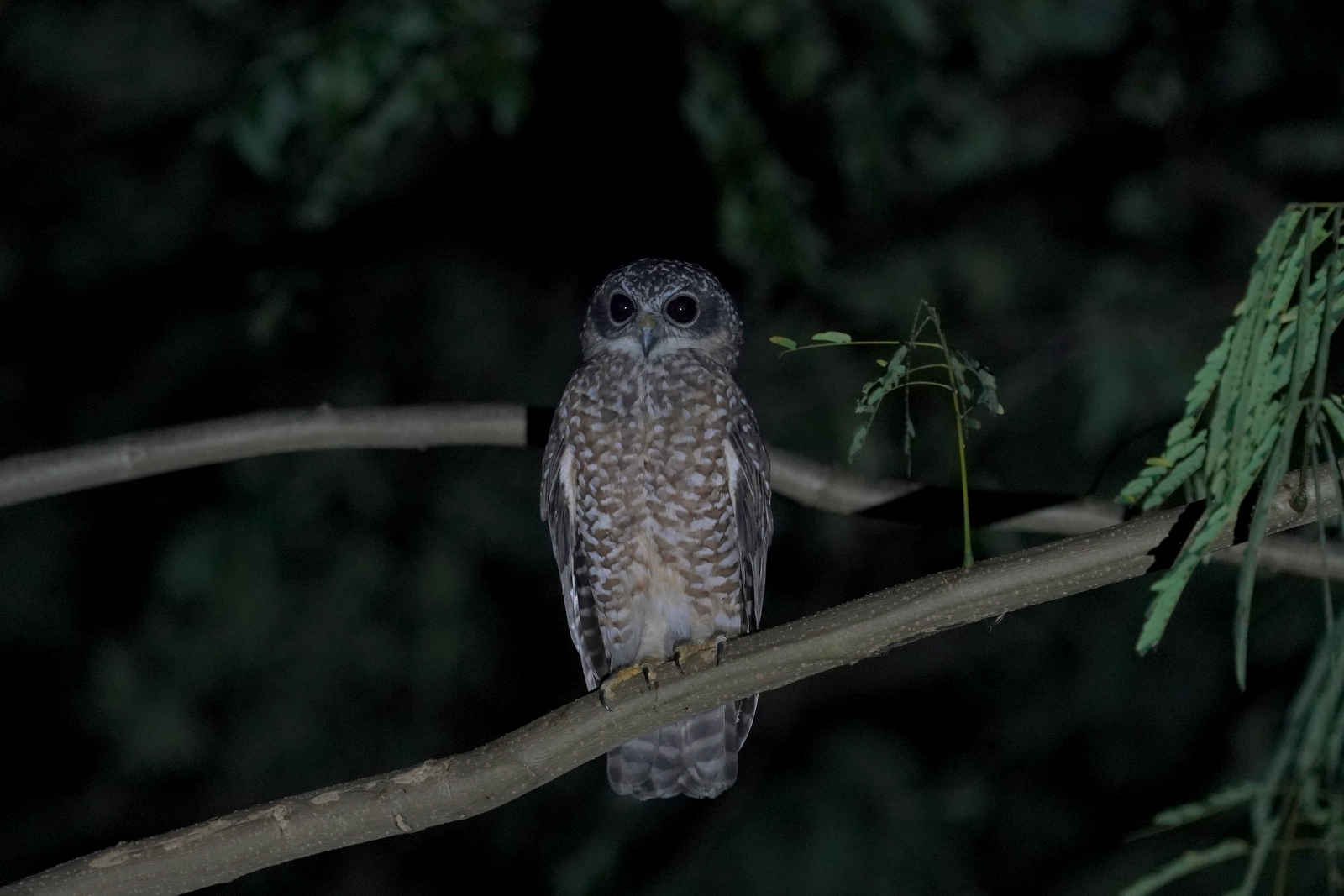
Sumba Boobook
A brown owl with a rounded head, dark eyes, brown upperparts and crown with extensive white markings, a prominent white throat, and thick brown bands on the underparts. Occupies forest, forest edge, and mangroves in the lowlands and foothills. Encountered as pairs, singles, or small groups. Restricted to Sumba Island. Separated from Least Boobook by dark eyes, extensive white spotting on crown, and barred underparts. Song a persistent “kok-kok-kok…”.
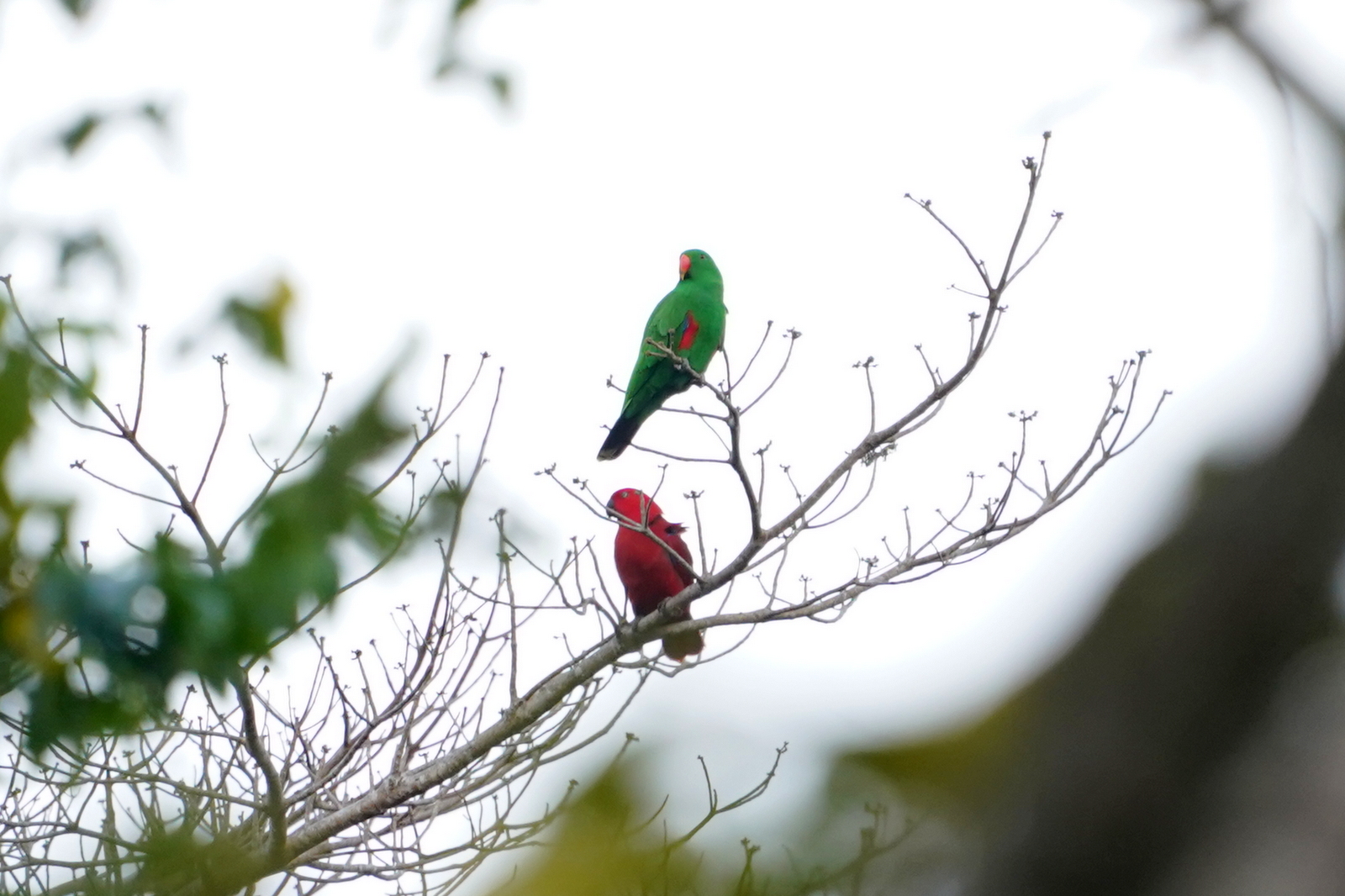
Sumba Eclectus
Robust, big-headed, and rather short-tailed parrot endemic to Sumba, where it inhabits remnant lowland and foothill forests. Male bright green with red underwings and orange bill, female bright red with dark bill. Usually seen flying above forests at first light, squawking loudly. Calls include an ear-shattering, high-pitched squawk, as well as a lower, rasping caw. Formerly grouped with other closely related species under “Eclectus Parrot.”
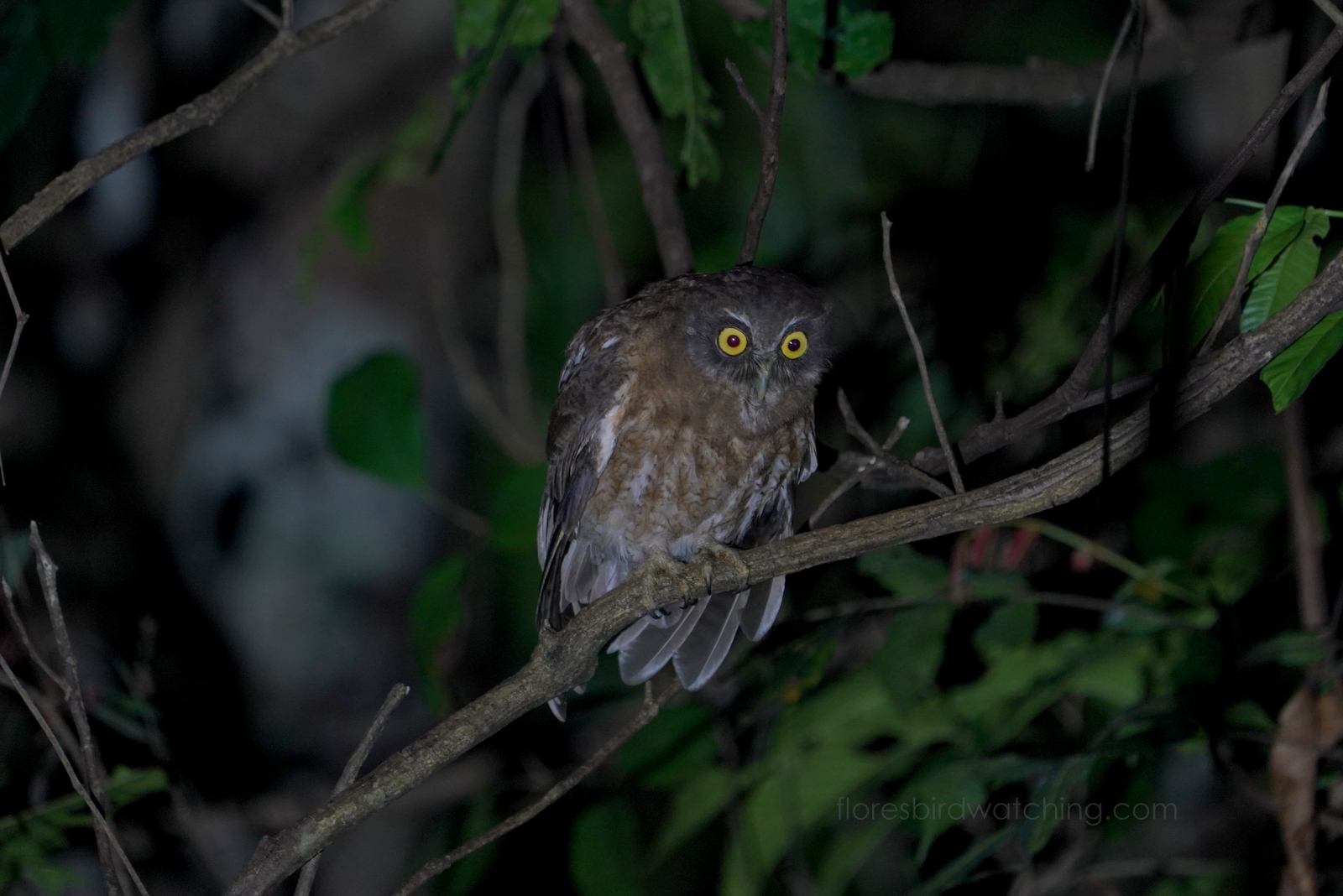
Least Boobook
A rufous-brown owl with yellow eyes, prominent white eyebrows, and mottled underparts. Juvenile reportedly redder-colored and plainer. Inhabits forested lower foothills, regularly in pairs. A recently described, little-known owl confined to Sumba. Smaller than Sumba Boobook, and separated by yellow eyes, lack of bands on the underparts, and markedly different voice. Song is a single “woop” note, often given as a duet. One sex calls with a higher pitch than the other.
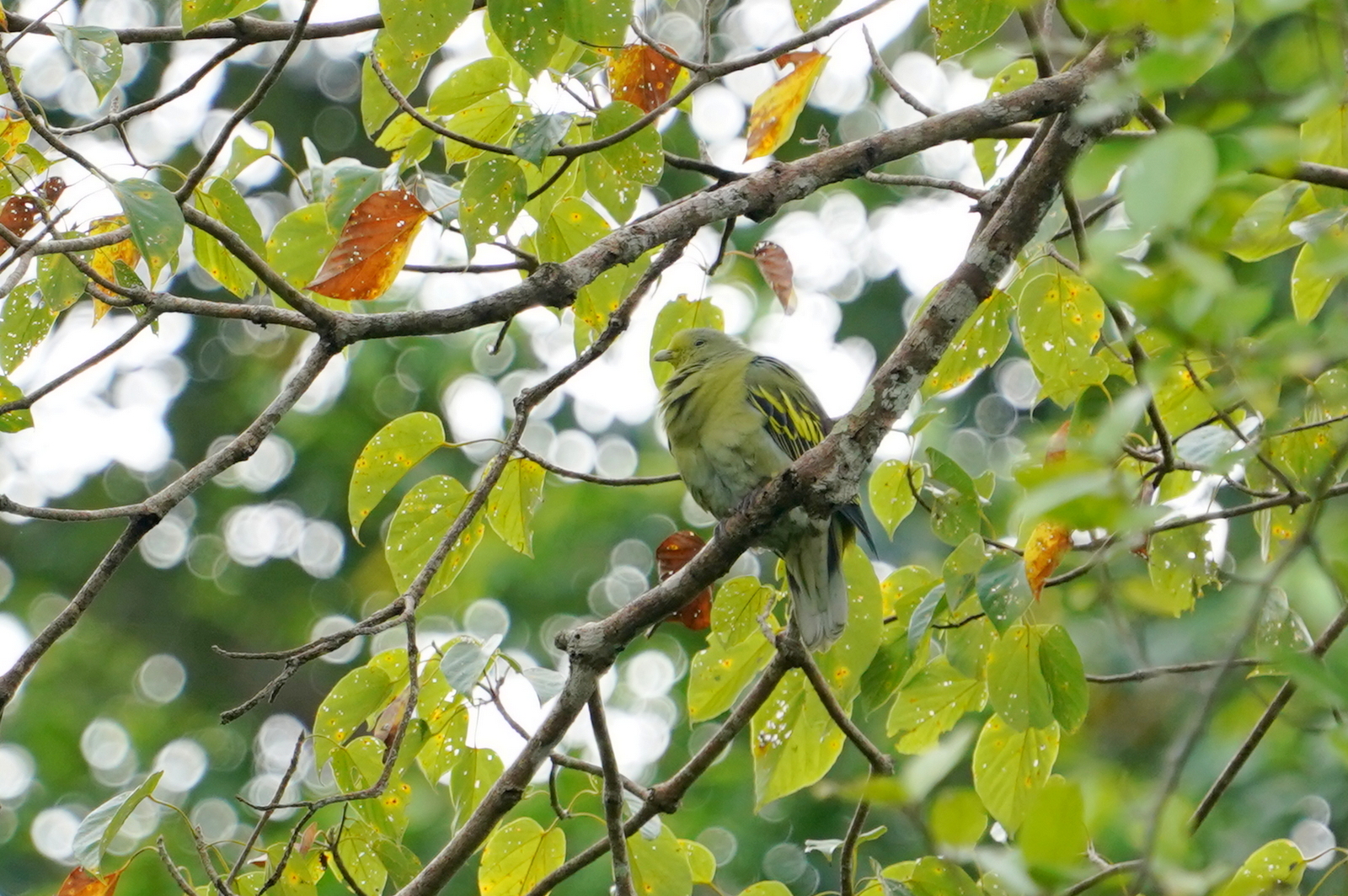
Sumba Green Pigeon
A green pigeon with striking yellowish markings and edgings on the wing. Male has a chestnut lower back, while the back of the female is entirely green. Readily identified within its limited range, as there are no other green pigeons on Sumba island. Found singly or in pairs within canopy of forest and in secondary areas where tall trees remain. Small groups gather at fruiting trees. Calls include a soft “woop-woop,” grunting sounds, and weak, rising whistled notes.
Source: Ebird
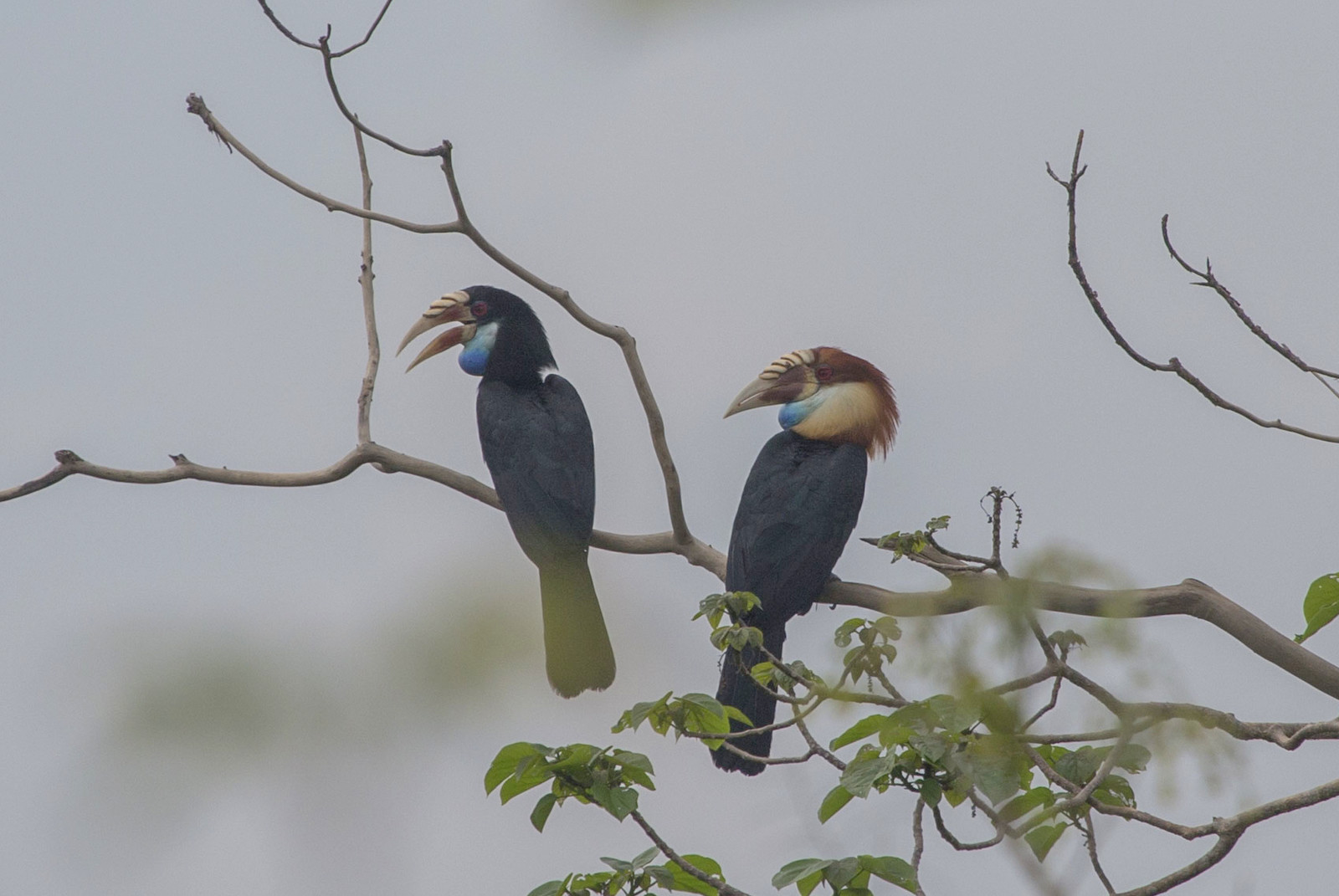
Sumba Hornbill
A small black hornbill with an ivory-colored bill that has a reddish smudge at the base and a knob on top. There is a pale blue pouch of skin below the bill. Males have a rich chestnut neck that becomes a darker burnt red around the face and top of the head. Females have black necks and heads. Juveniles resemble male, with a smaller bill. Confined to Sumba, where it is the only hornbill. Inhabits lowland and foothill forest and forest edge, where it frequents the treetops singly or in groups. Calls include a fast-paced, emphatic “kokokokokokok…”.
Source: Ebird