
Alor
Summary
Far out in the eastern reaches of Indonesia lies Alor Island, a rugged and spectacular island that remains one of the least-explored birding destinations in the region. Known for its dramatic mountains, deep bays, and traditional villages, Alor is also a treasure trove for birdwatchers seeking rare and endemic species in a truly wild setting.
For those willing to venture off the beaten path, Alor offers raw, rewarding birding where every encounter feels like a discovery.
Why Birdwatch in Alor?
Alor sits within the Wallacea region, a globally significant biodiversity hotspot where Asian and Australasian species overlap. Its isolation has led to the evolution of unique birdlife, making it particularly exciting for serious birders.
Here’s what makes Alor special:
High endemism – Several species are found only on Alor or nearby islands
Minimal birding traffic – A true frontier destination
Diverse habitats – From coastal mangroves to montane forest
Authentic wilderness – Limited infrastructure but rich biodiversity
Key Bird Species to Look For
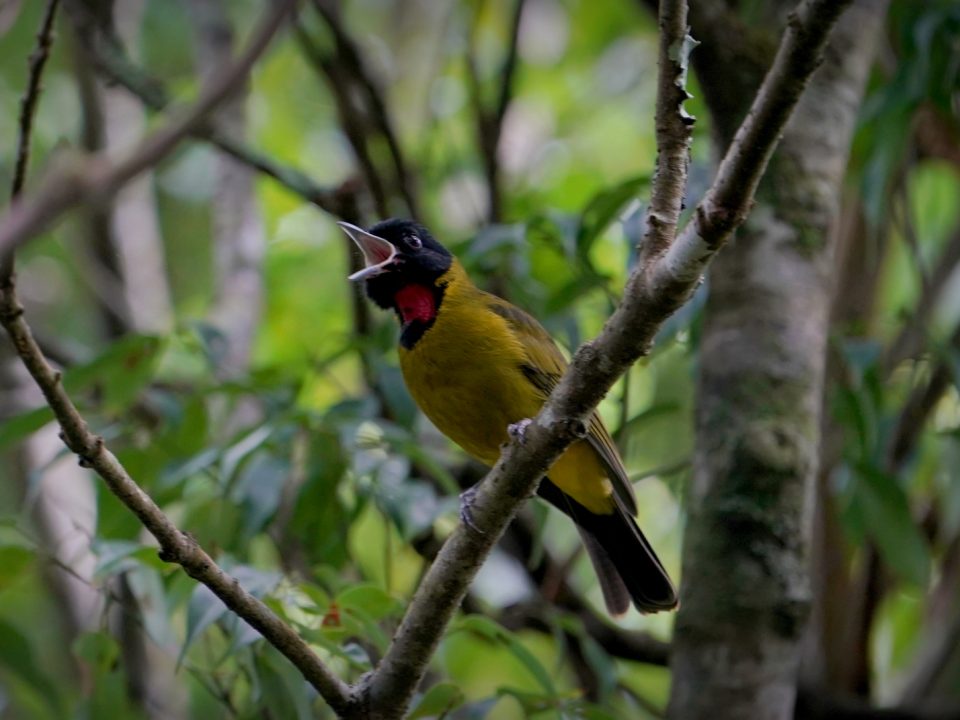
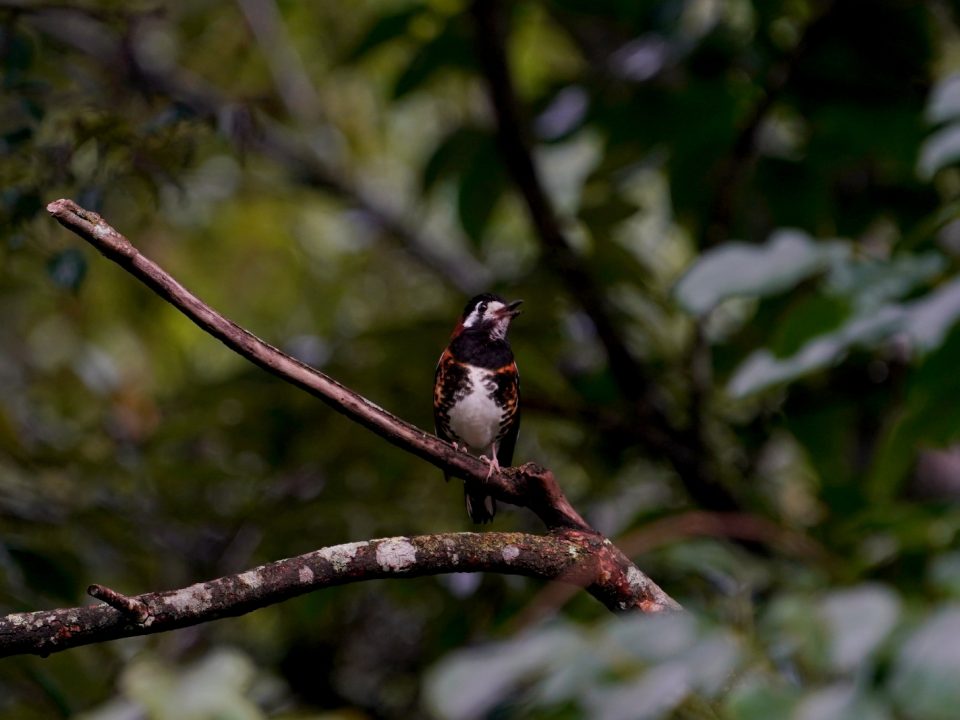
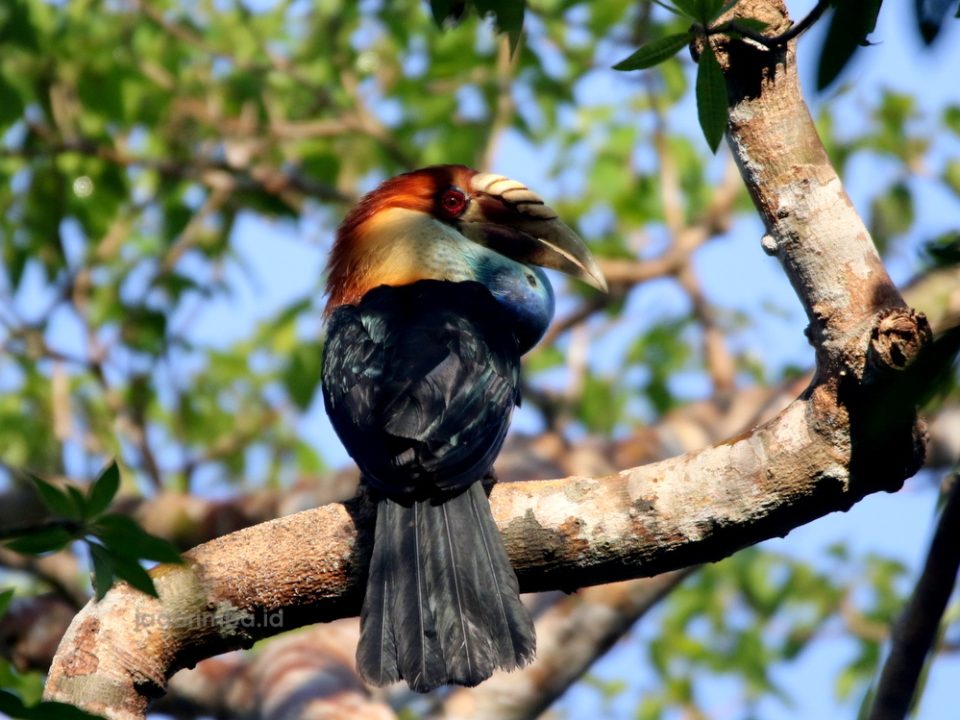
Alor shares many species with Timor and Flores, but also hosts localized populations that are highly sought-after.
Endemics & Near-Endemics
- Timor Stubtail – A secretive ground-dweller, often heard before seen
- Flores Green Pigeon – A beautiful fruit pigeon of forest canopies
- Olive-headed Lorikeet – Fast-moving and vocal in flowering trees
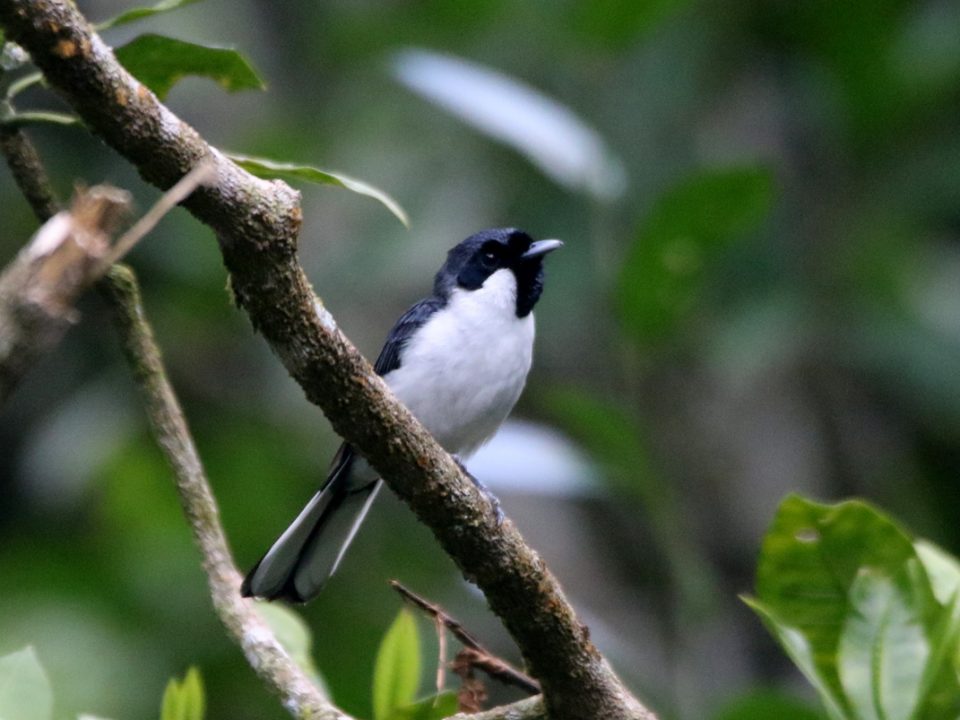
- Black-banded Flycatcher – A prized sighting for visiting birders
Other Notable Birds
- Yellow-crested Cockatoo– Critically endangered and still found in parts of Alor
- Great-billed Parrot – A striking and noisy forest species
Brown Honeyeater – Common but active and charismatic - White-bellied Sea Eagle – Often seen soaring along the coast
Best Birding Habitats
Alor’s varied topography creates a wide range of birding environments:
1. Dry Monsoon Forest
The backbone of Alor’s birdlife, home to many endemic passerines and parrots.
2. Montane Forest
Higher elevations can produce different species assemblages and are worth the effort to reach.
3. Savanna & Open Country
Ideal for finches, bee-eaters, and raptors, especially during early morning.
4. Coastal & Mangrove Zones
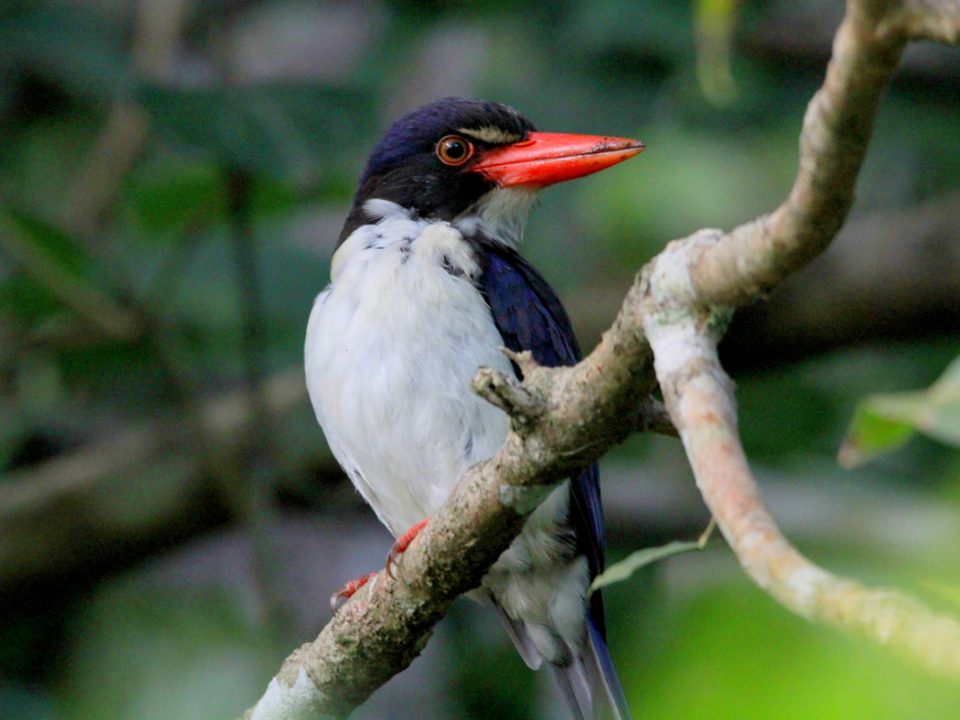
Look for kingfishers, herons, and seabirds along Alor’s dramatic shoreline.
When to Visit
The dry season (May to October) is the best time for birdwatching in Alor:
- Easier access to remote sites
- Increased bird activity
- More comfortable weather conditions
The wet season can bring lush scenery but may complicate travel logistics.
Practical Tips for Birders
- Prepare for basic conditions – Accommodation and transport are limited
- Hire a knowledgeable local guide – Essential for finding key species
- Start early and stay patient – Many birds are shy and require time
- Bring essential gear – Water, sun protection, and good optics are critical
- Respect wildlife and local culture – Sustainable birding is key to preserving Alor’s charm
Getting There
Reaching Alor requires a bit of effort, but that’s part of its appeal:
- Fly to Kupang (Timor) from major Indonesian cities
- Connect via a domestic flight to Alor (Mali Airport)
Travel logistics may be challenging, but the rewards are exceptional.
Final Thoughts
Alor Island is not for casual birders—it’s for those who crave exploration, rarity, and authenticity. In return, it offers unforgettable encounters with some of Indonesia’s most elusive birds in landscapes that feel untouched by time.
If your birding journey is driven by discovery, Alor is a destination that will leave a lasting impression.