
Komodo National Park
Birdwatching in Komodo National Park: More Than Just Dragons
When most travelers think of Komodo National Park, the iconic Komodo dragon is usually the first thing that comes to mind. But beyond its prehistoric reptiles and rugged savannah landscapes, the park has another attraction that is often overlooked: its rich and diverse birdlife. For birdwatchers, this UNESCO World Heritage Site can be a rewarding destination.
A Unique Island Ecosystem
Located between the islands of Sumbawa and Flores, Komodo National Park is made up of dry forests, mangroves, grasslands, and coastal habitats. This variety of environments supports a fascinating range of bird species.
Many of the birds found here are well adapted to the park’s hot and dry climate, which is quite different from the lush tropical rainforests found in many other parts of Indonesia.
Iconic Bird Species
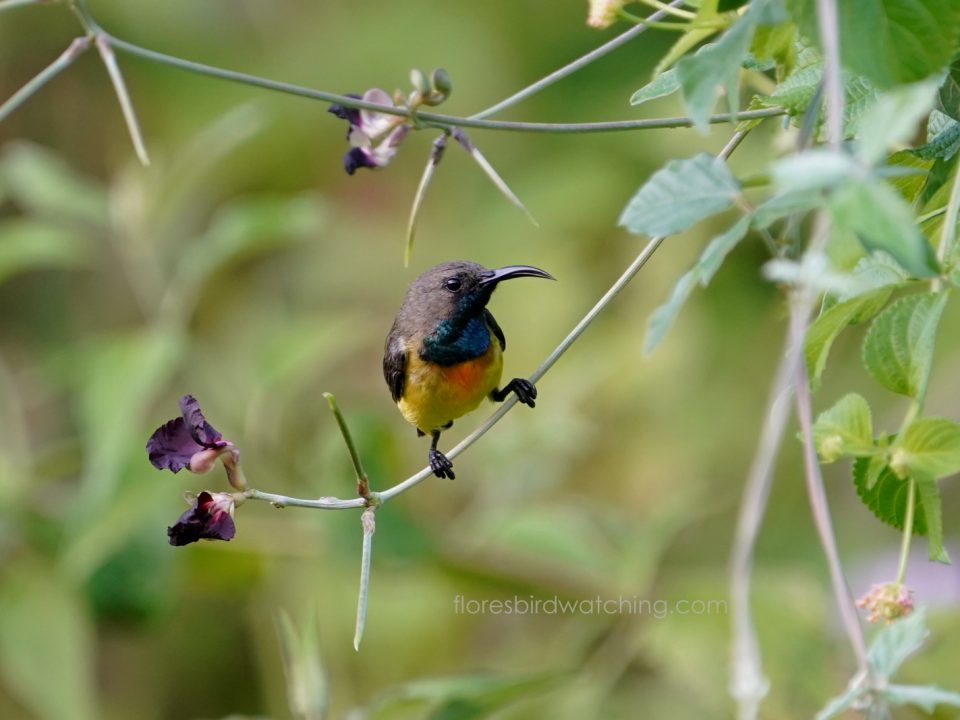
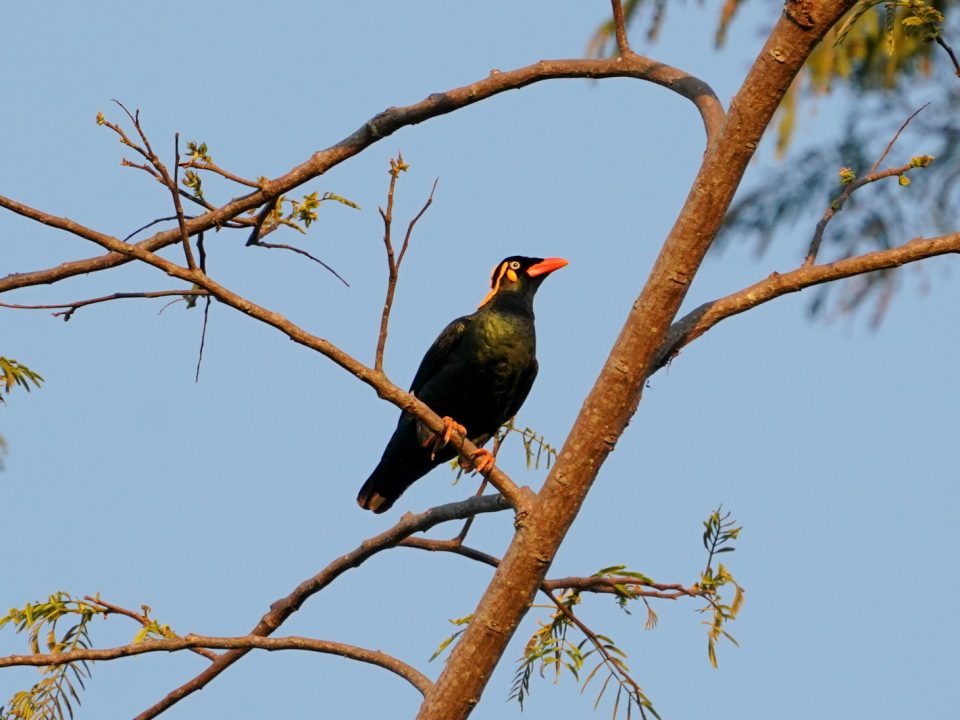
Birdwatchers visiting Komodo National Park can encounter a mix of resident and migratory species. Some of the highlights include:
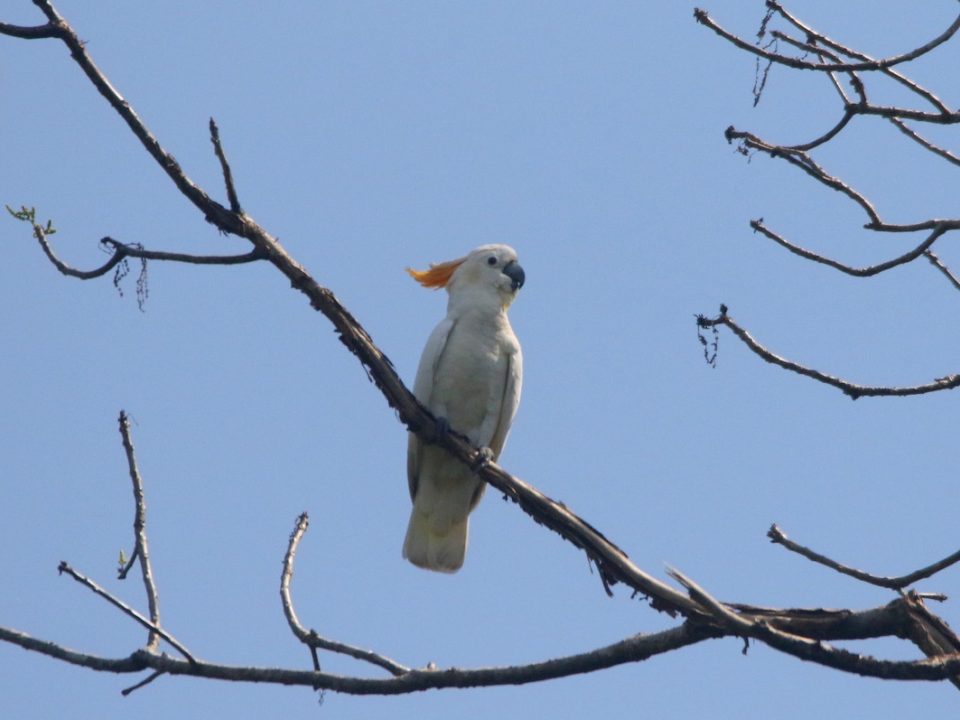
- Yellow-crested Cockatoo (Cacatua sulphurea) – Critically endangered and one of the park’s most prized bird sightings.
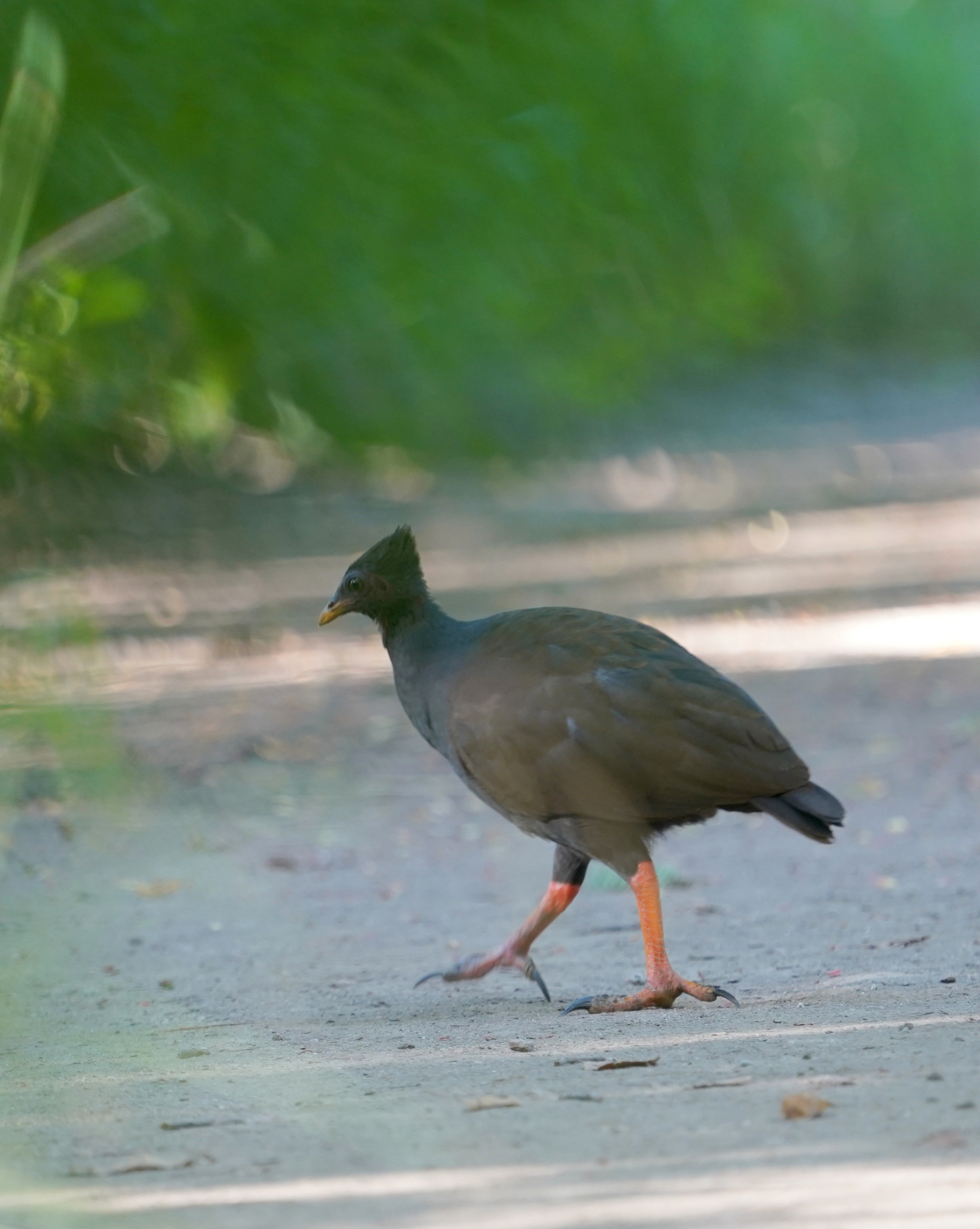
- Orange-footed Scrubfowl (Megapodius reinwardt) – Famous for its unusual nesting behavior. It uses the heat produced by decaying vegetation to incubate its eggs. Interestingly, Komodo dragons also use the nests of these birds to lay their own eggs.
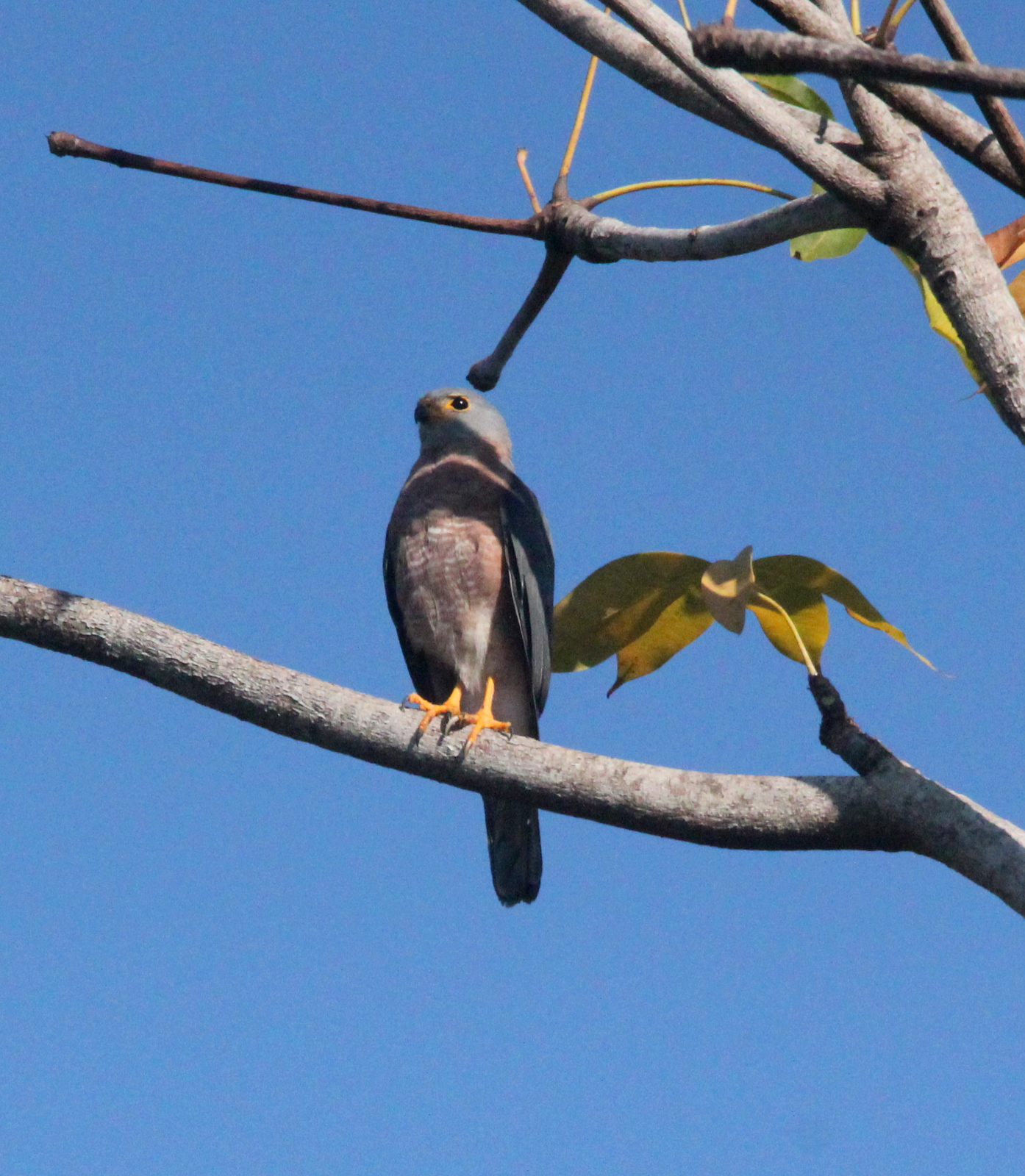
- Flores Hawk-Eagle (Nisaetus floris) – One of the most sought-after birds in the Lesser Sunda region. This critically endangered raptor is among Indonesia’s rarest birds of prey. Komodo National Park is one of its habitats, making it a particularly exciting bird to look for.
The park is also a good place to observe seabirds such as terns, frigatebirds, and herons, especially around the coast and smaller islands.
Best Birdwatching Locations
Several areas within the park are particularly interesting for birdwatching:
Rinca Island – Its open savannah landscapes make it easier to spot ground-dwelling birds.
Komodo Island – A mixture of habitats provides opportunities to see both forest and coastal species.
Mangrove forests – These areas can be especially productive for waders, kingfishers, and migratory birds.
Early morning and late afternoon are generally the best times for birdwatching. The temperatures are cooler, and birds tend to be more active.
When to Visit
The dry season, from April to November, is generally a good time to visit Komodo National Park for birdwatching. During this period, trails are usually easier to access, and birds can be easier to see as the vegetation becomes less dense.
Migratory birds are typically present between September and April, adding even more variety for birdwatchers.
Tips for Birdwatchers
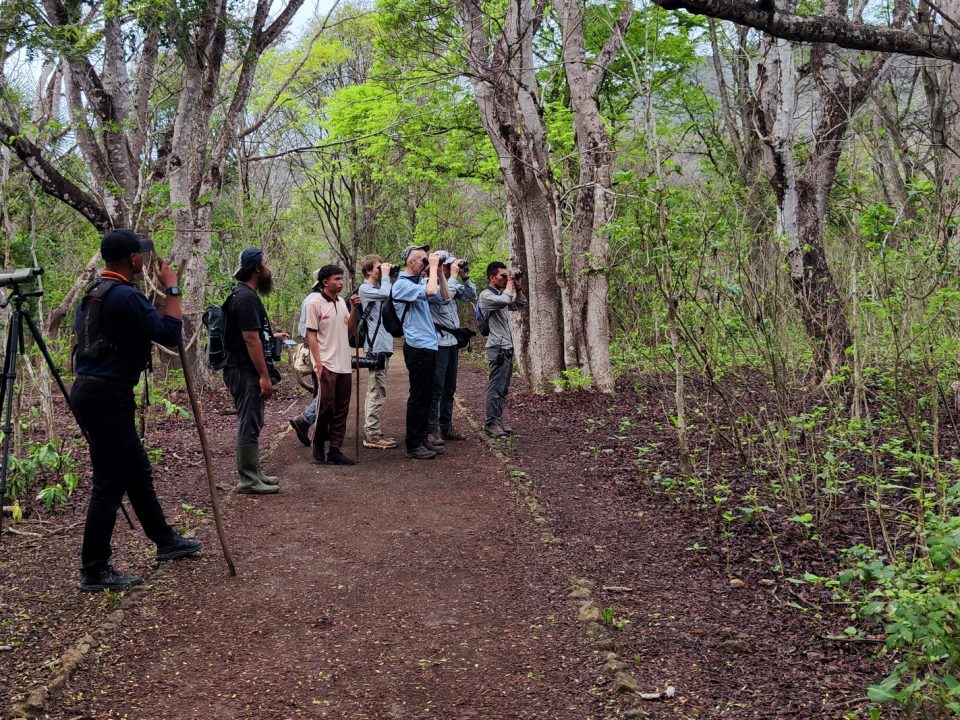
- Bring binoculars and a spotting scope for distant birds.
- Wear neutral-colored clothing to blend into the surroundings.
- Stay hydrated, as Komodo’s climate can be extremely hot and dry.
- Consider hiring a local guide who knows the best birding spots and can help identify birds by sight and sound.
Conservation Importance
Komodo National Park is not only a sanctuary for reptiles. It also plays an important role in bird conservation. Protecting its forests, savannahs, mangroves, and coastal habitats helps provide a safe home for endangered species such as the Yellow-crested Cockatoo.
Responsible tourism and ethical birdwatching can also contribute to conservation efforts by supporting local communities and encouraging the protection of these important habitats.
More Than Dragons
Komodo National Park may not yet be as famous for birdwatching as some of Indonesia’s other birding destinations, but that is part of its appeal. It offers a unique combination of dramatic landscapes, unusual wildlife, and surprisingly diverse birdlife.
So, if you are planning a trip to Komodo, don't pack your binoculars away just because the Komodo dragons are the main attraction. There is a fascinating world of birds waiting to be discovered, too.