
Sumba
Summary
Remote, rugged, and remarkably rich in biodiversity, Sumba stands out as one of Indonesia’s premier birdwatching destinations. Located in the Lesser Sunda Islands, south of Flores and east of Sumbawa, Sumba offers an exceptional concentration of endemic bird species found nowhere else on Earth.
For birdwatchers seeking rare sightings and untouched habitats, Sumba is nothing short of extraordinary.
A Distinctive Island Ecology
Unlike many of Indonesia’s lush tropical islands, Sumba is characterized by dry savannahs, monsoon forests, limestone hills, and seasonal wetlands. This unique environment has driven the evolution of a highly specialized avifauna, with a high rate of endemism that makes the island globally significant for conservation and birding alike.
Iconic Endemic Birds
Sumba is home to more than 200 bird species, including several endemics that are the primary draw for visiting birdwatchers. Among the most sought-after are:
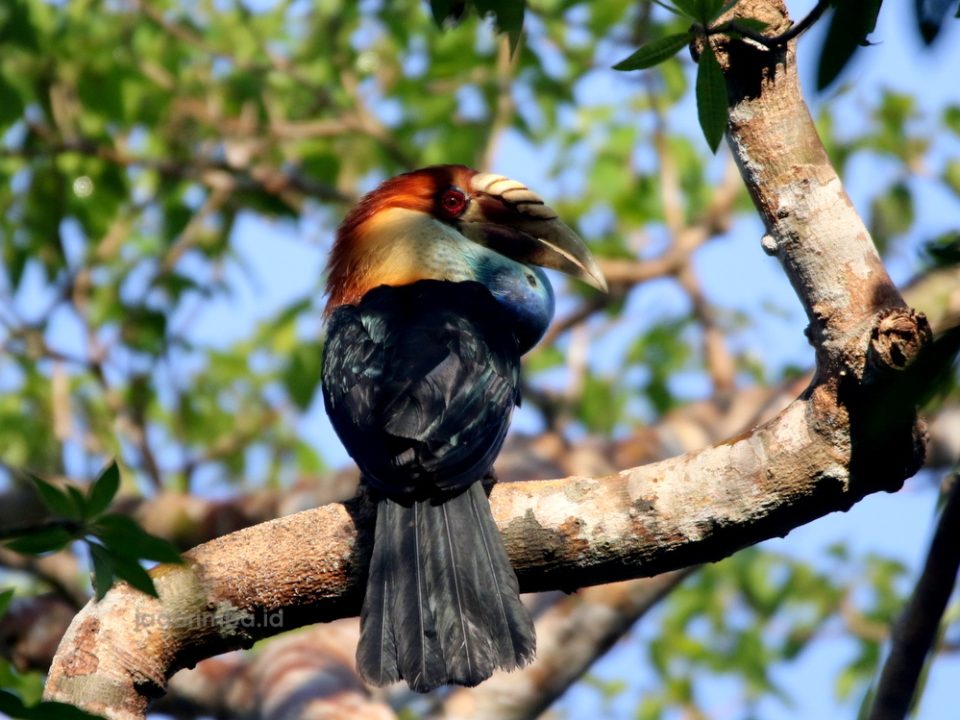
- Sumba Hornbill (Rhyticeros everetti) A flagship species of the island, often seen flying across forest canopies with loud wingbeats.
- Sumba Eclectus (Eclectus cornelia) – A striking parrot with vivid sexual dimorphism; males are bright green while females are deep red and purple.
- Sumba Buttonquail (Turnix everetti) A secretive ground bird, rarely seen but highly prized by birders.
- Sumba Boobook (Ninox rudolfi) A nocturnal owl endemic to the island’s forests.
- Apricot-breasted Sunbird (Cinnyris buettikoferi) A colorful nectar-feeder commonly found in flowering trees.
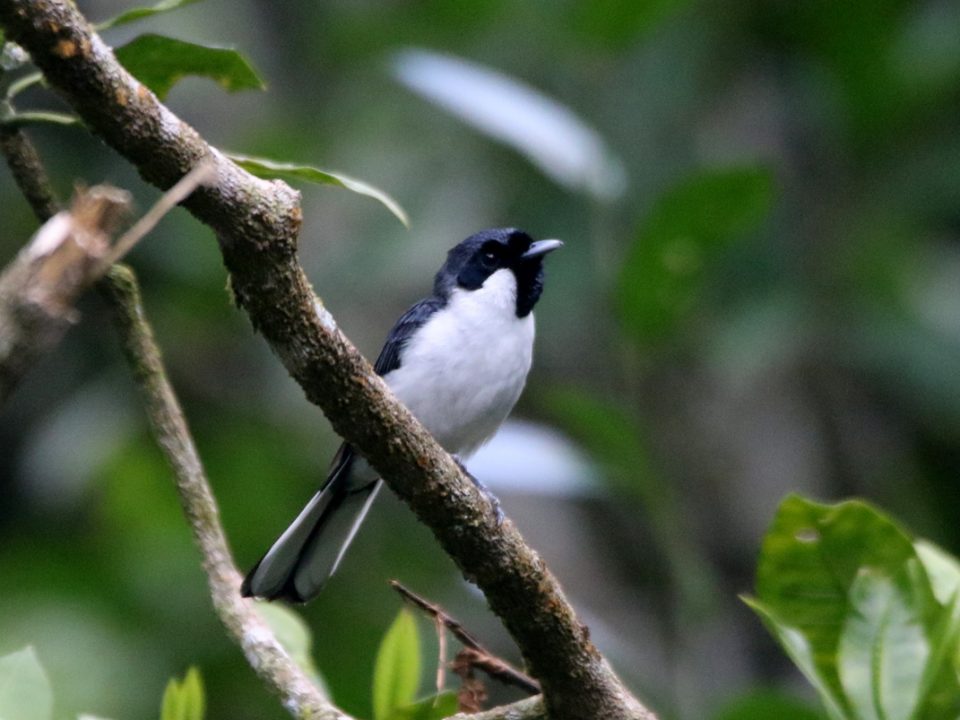
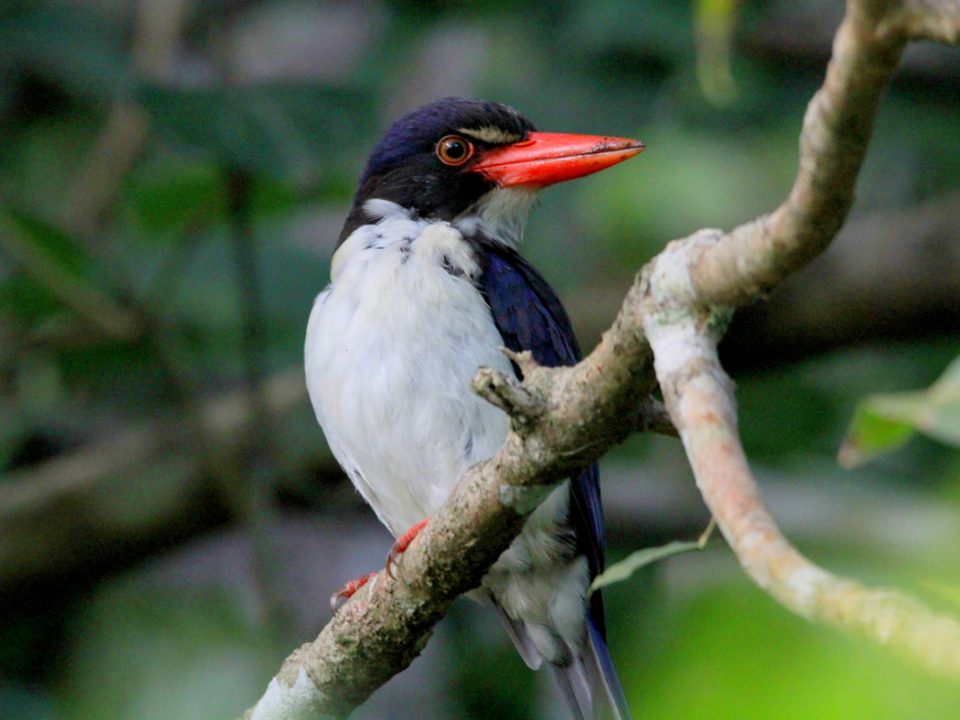
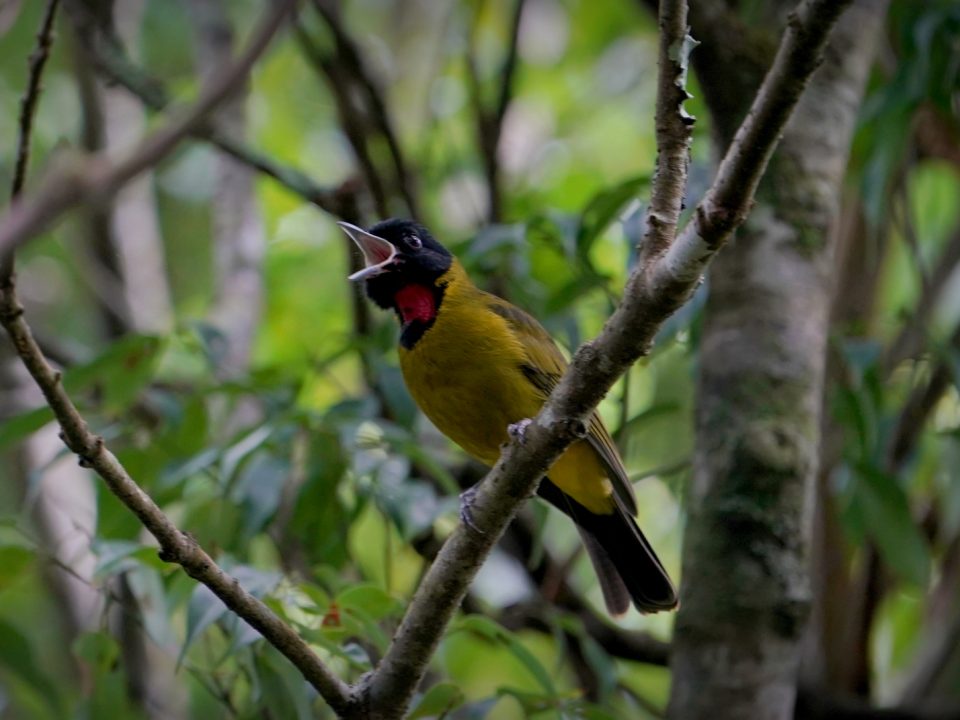
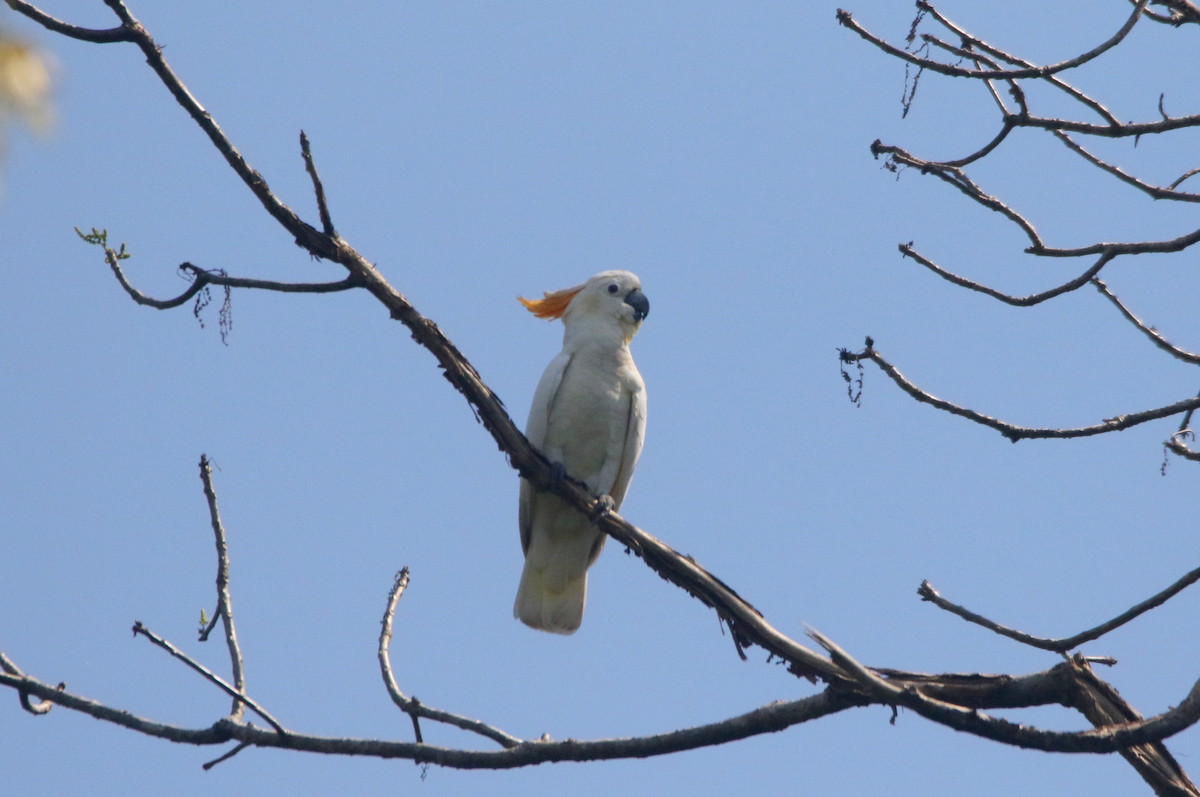
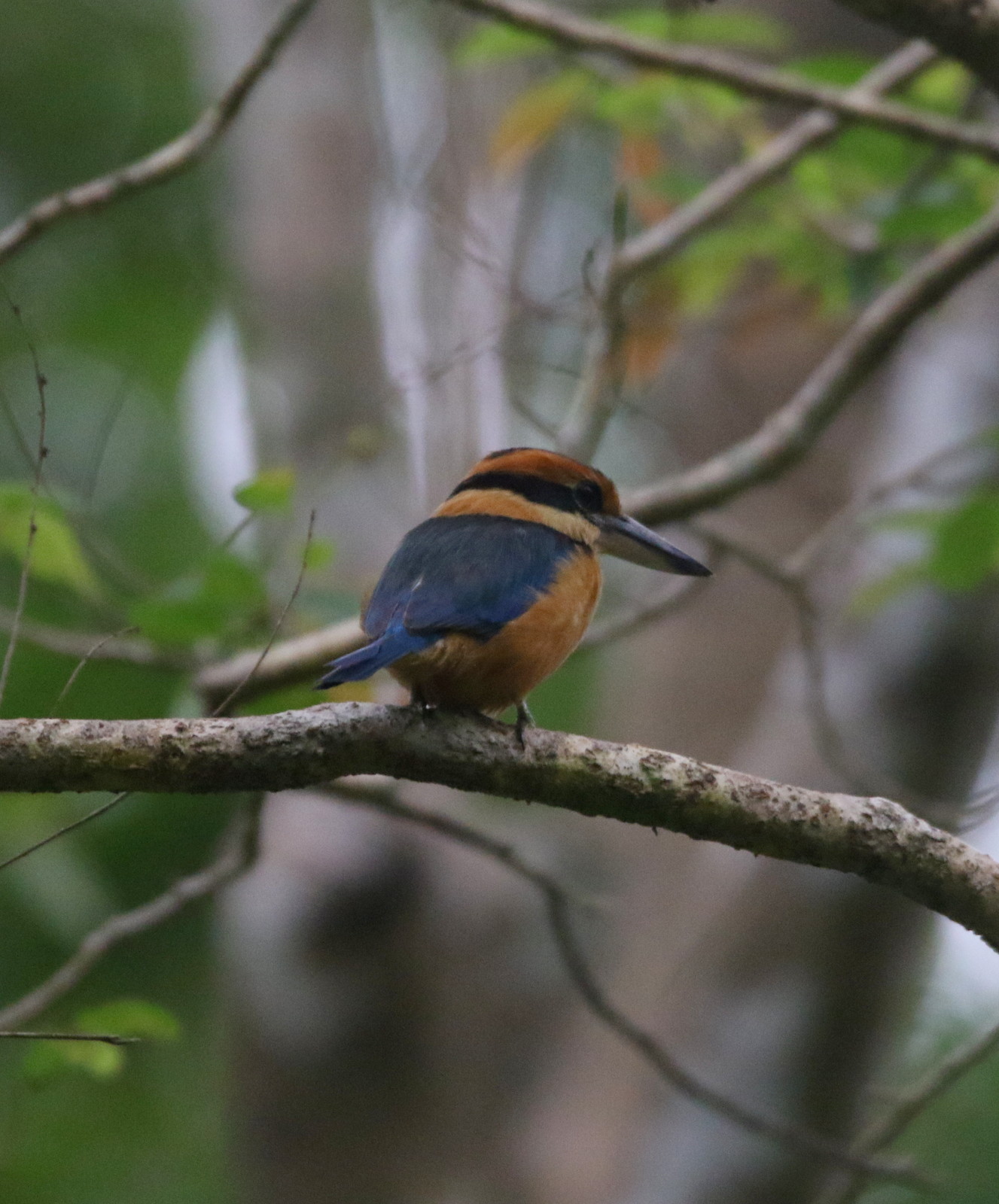
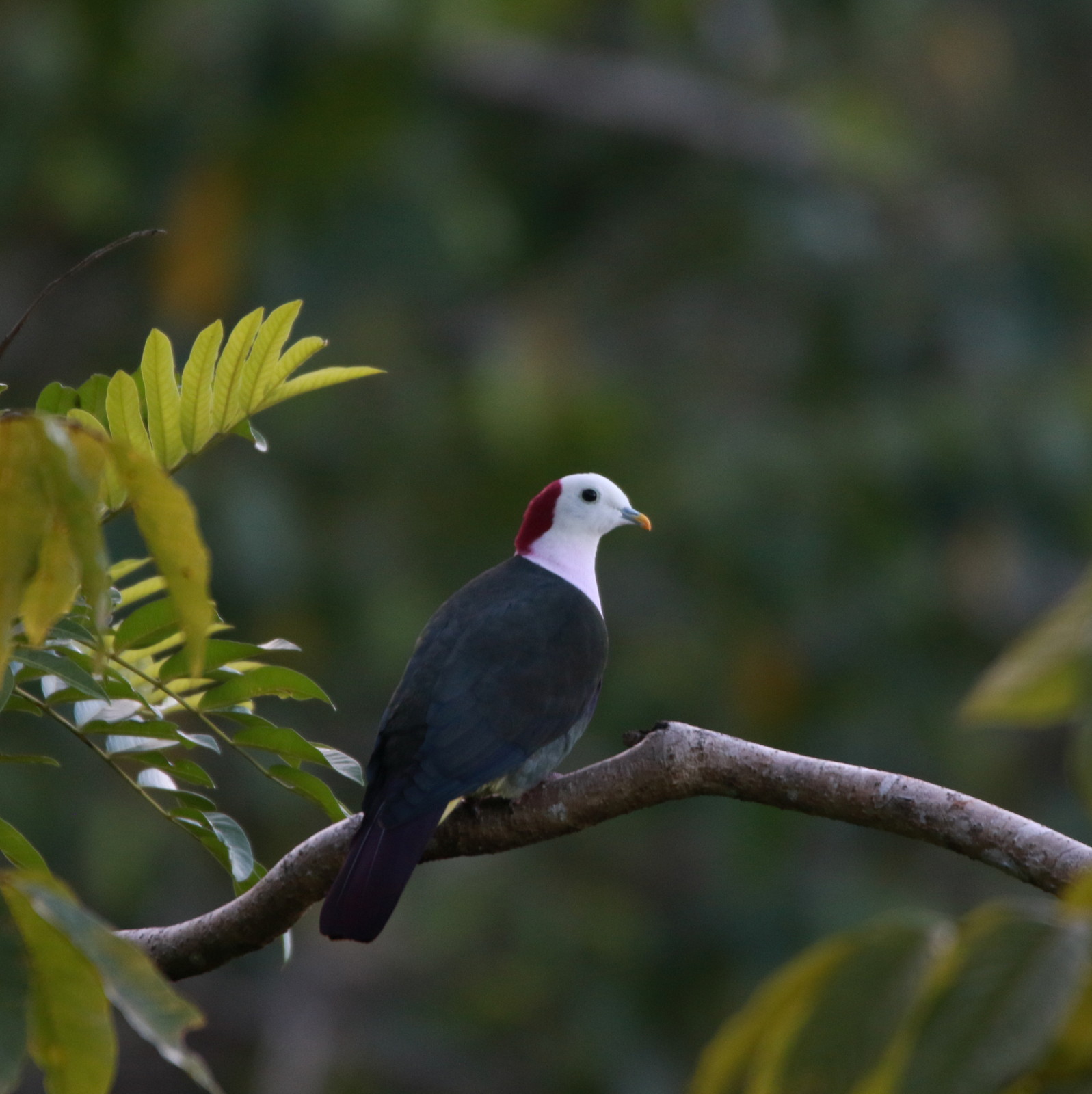
These species, along with several endemic kingfishers, flycatchers, and white-eyes, make Sumba a hotspot for endemic bird diversity.
Prime Birdwatching Locations
The island offers several key sites where birdlife is particularly abundant:
- Tanah Daru – The premier and easily accessible birding location on Sumba. It is part of Matalawa National Park. Located between West and Mid-Sumba Regency, featuring lowland forests that are home to all endemic birds of Sumba. Birding along the sides is enough to pick all the main targets here.
- Billa Forest (Tabundung) – the other section of Matalawa National Park, offers montane and submontane habitats. Located in the southeast of Sumba, in the most remote part of the island. Access to this place is not easy, but it is rewarded with a well-protected habitat, home to most of the endemic species in incredible numbers.
- Laipori watlands and Yumbu grassland – Important for migratory birds, waterbirds, and open-country specialists. One most tricky endemic to find is the Sumba Buttonquail, and Yumbu grassland is the regularly visited area to find this sepcial bird.
Early mornings and late afternoons are the best times to observe birds, when activity peaks and temperatures are more comfortable.
When to Visit
The dry season, from May to November, is the most favorable time for birdwatching on Sumba. During this period, access to remote areas is easier, and birds are more visible as vegetation thins. The wet season can still be productive, particularly for breeding activity, but travel may be more challenging.
Birdwatching Tips
- Engage local expertise: Local guides are invaluable for locating rare and elusive species.
- Be patient and quiet: Many of Sumba’s birds are shy and require careful observation.
- Prepare for heat: The island can be hot and dry—bring plenty of water and sun protection.
- Use proper gear: Binoculars and a good field guide are essential for identifying endemic species.
Conservation Significance
Sumba’s birdlife faces increasing threats from habitat loss, logging, and agricultural expansion. Conservation efforts, including protected areas like Manupeu Tanah Daru National Park, are critical for preserving these unique species.
Birdwatching tourism plays an important role in supporting conservation by raising awareness and providing sustainable income for local communities.
Final Thoughts
For birdwatchers eager to explore beyond well-trodden paths, Sumba offers an unforgettable journey into one of Southeast Asia’s richest centers of avian endemism. With its dramatic landscapes and rare birdlife, Sumba is not just a destination—it’s a true frontier for discovery.