
Timor
Summary
Often overlooked in favor of Indonesia’s more birding destinations, Timor offers a rewarding and largely untapped experience for birdwatchers. As the largest island in the southern Lesser Sunda chain—shared between Indonesia and East Timor—Timor is home to a fascinating mix of Asian and Australasian bird species, along with a suite of endemics found nowhere else in the world.
For adventurous birders, Timor represents one of Southeast Asia’s last true frontiers.
A Landscape of Contrasts
Timor’s terrain is defined by rugged mountains, dry forests, savannahs, and coastal wetlands. Unlike the dense rainforests of western Indonesia, much of Timor experiences a semi-arid climate, resulting in open woodlands and monsoon forests that support a distinctive bird community.
This ecological uniqueness places Timor within the Wallacea region, known for its high levels of endemism and biogeographical significance.
Key Bird Species
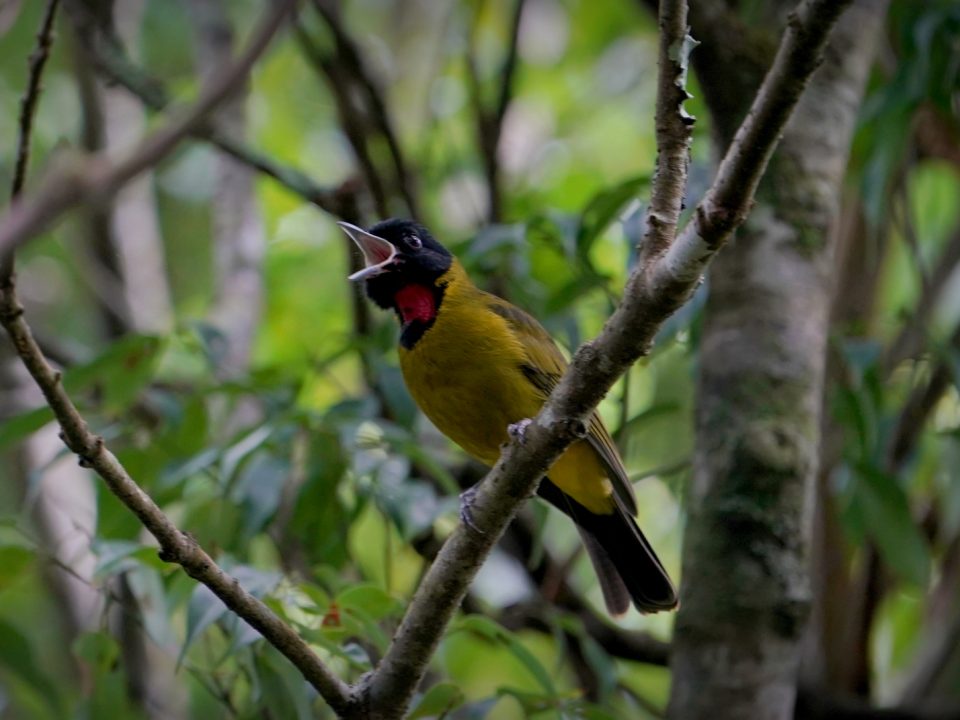
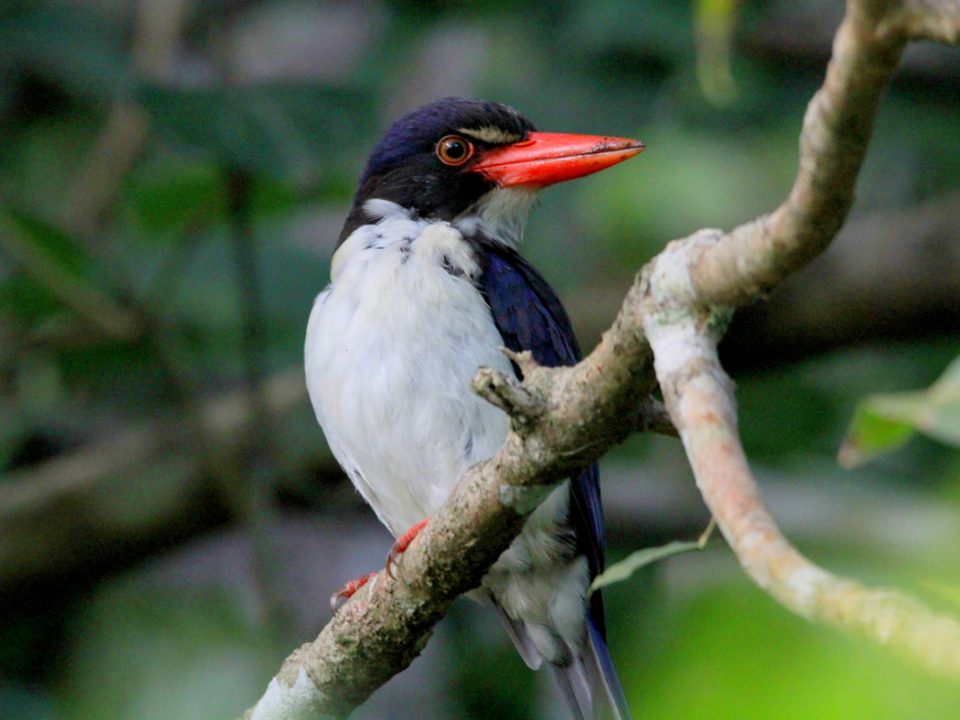
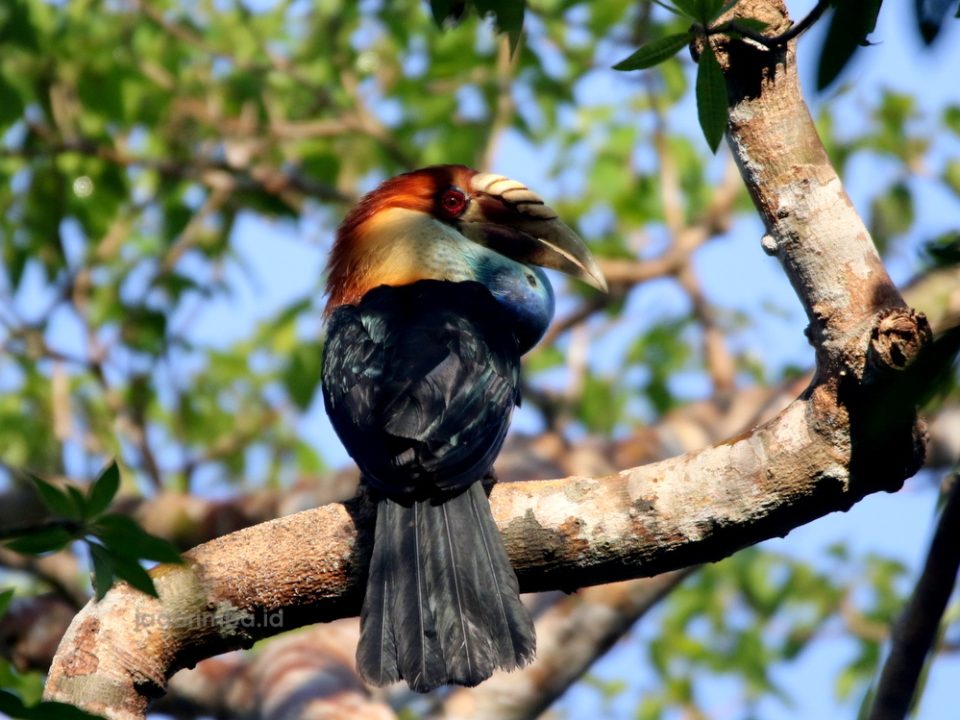
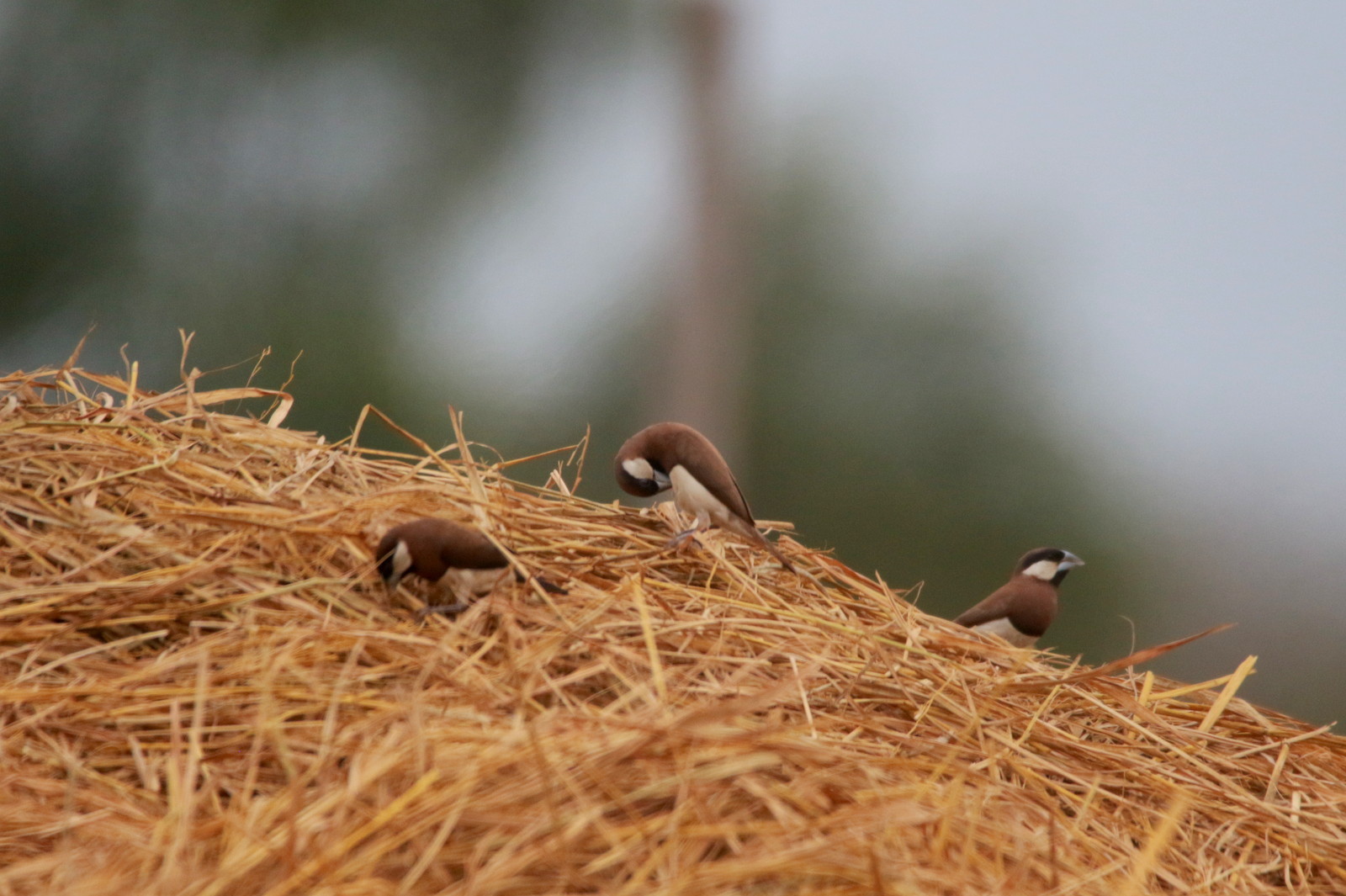
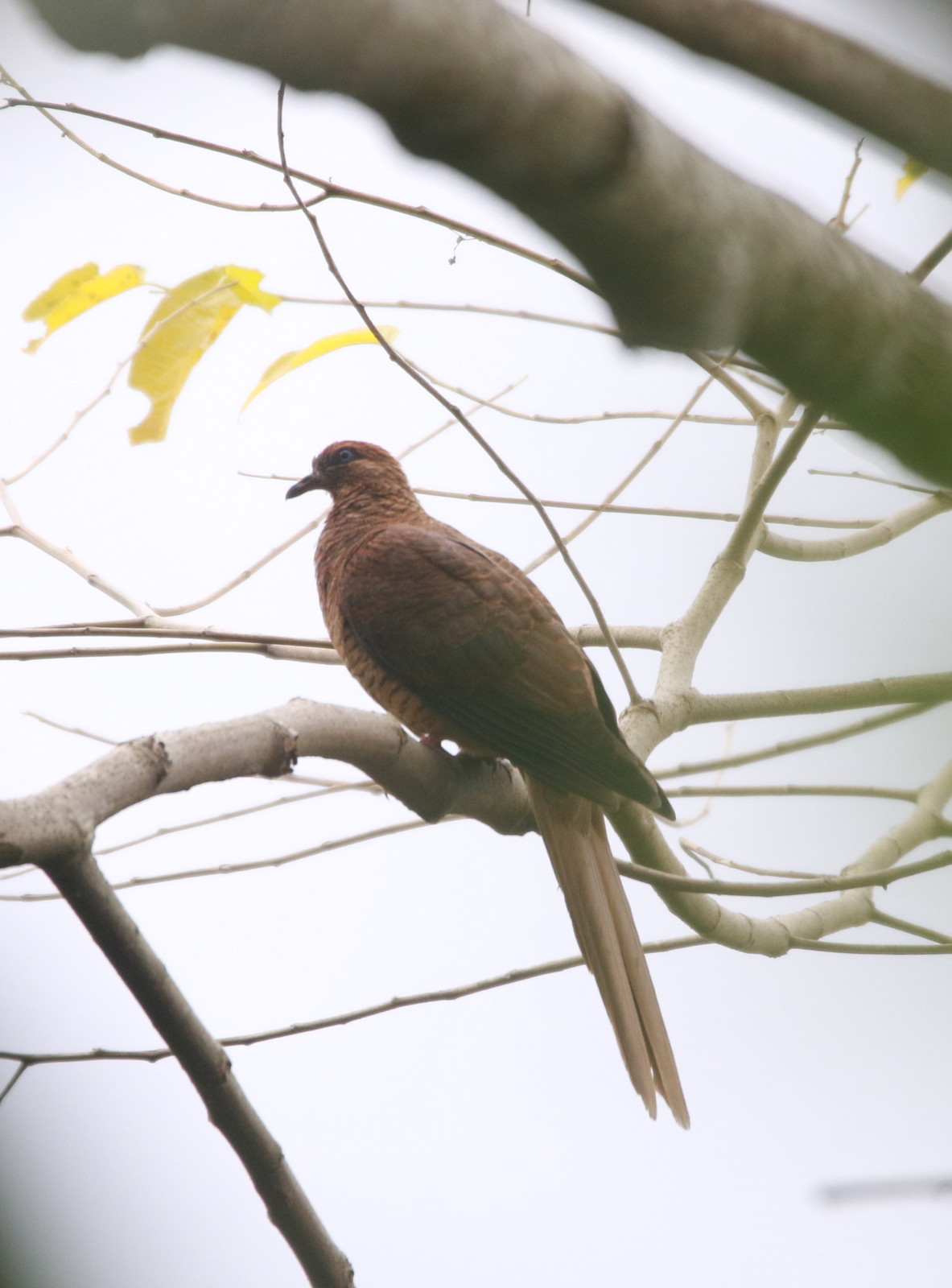
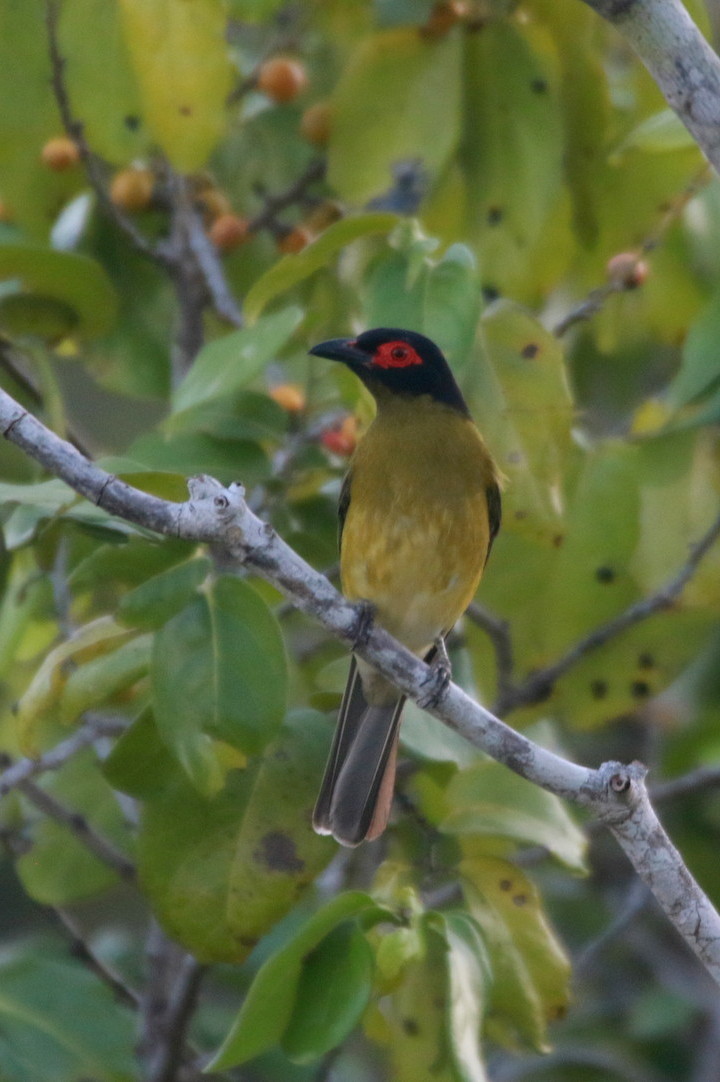
Timor boasts over 250 recorded bird species, including a number of endemics and near-endemics that are highly sought after by birdwatchers. Notable species include:
- Timor Friarbird (Philemon inornatus)– A common and vocal species across the island.
- Iris Lorikeet (Saudareos iris) – A colorful parrot endemic to Timor and nearby islands.
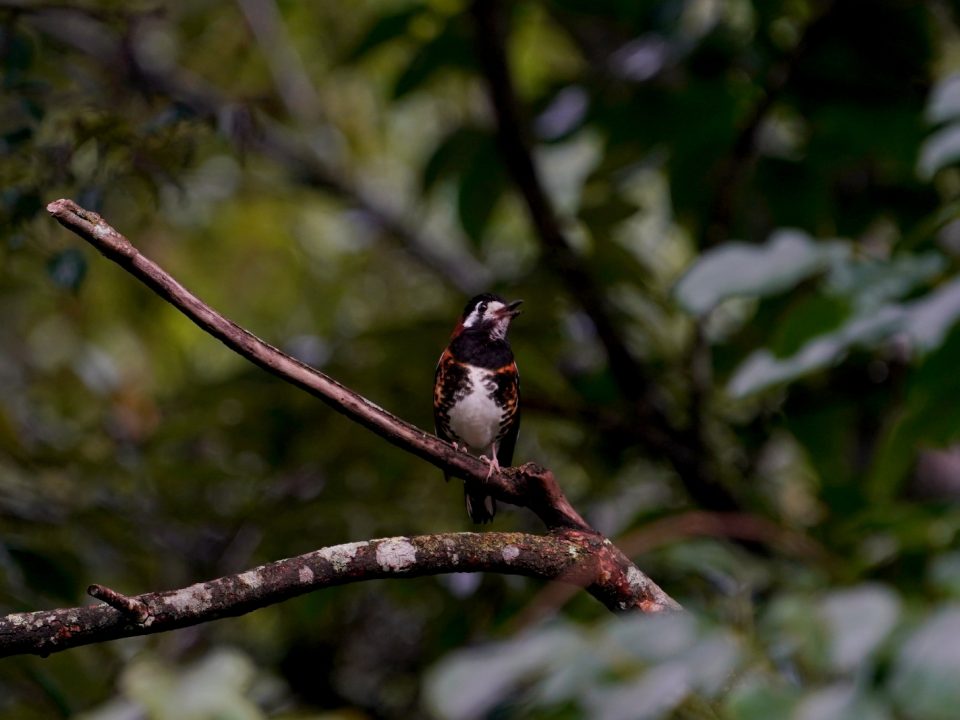
- Black-banded Flycatcher (Ficedula timorensis) – A striking endemic of forest habitats.
Birdwatchers may also encounter the critically endangered Yellow-crested Cockatoo (Cacatua sulphurea), which persists in small populations on Timor.
Top Birdwatching Locations
Several sites across Timor provide excellent birding opportunities:
- Mount Mutis – The island’s highest peak, offering montane forest habitats rich in endemic species.
- Bipolo – A well-known birding site featuring dry forest and open woodland, ideal for observing a variety of lowland species.
- Kupang and surrounding areas – Provide accessible birding locations, including wetlands and coastal habitats.
Early mornings are the most productive times for birdwatching, when bird activity is at its peak and temperatures are cooler.
Best Time to Visit
The dry season, from May to November, is the best time for birdwatching on Timor. During this period, access to remote birding sites is easier, and birds are more visible due to reduced foliage. The wet season can still offer rewarding sightings, especially for migratory species, but travel conditions may be more challenging.
Practical Birding Tips
Hire local guides: Many endemic species are difficult to locate without expert knowledge.
Stay hydrated: Timor’s climate can be hot and dry, particularly in lowland areas.
Use appropriate gear: Binoculars, a field guide, and sun protection are essential.
Be prepared for remote travel: Infrastructure can be limited, so plan accordingly.
Conservation and Challenges
Timor’s birdlife faces threats from habitat loss, deforestation, and land conversion. Protected areas such as Mount Mutis play a crucial role in conserving the island’s unique biodiversity.
Sustainable birdwatching tourism has the potential to support conservation efforts while providing economic benefits to local communities.
For those seeking new horizons in birdwatching, Timor offers a compelling blend of rarity, diversity, and adventure. With its unique avifauna and relatively unexplored habitats, Timor stands as one of Southeast Asia’s most promising—and rewarding—birding destinations.