
Flores
Summary
Located in the heart of the Lesser Sunda Islands, Flores is one of Indonesia’s most rewarding and exciting birdwatching destinations. Stretching between the islands of Sumbawa and Timor, Flores offers an extraordinary combination of endemic bird species, dramatic volcanic landscapes, tropical forests, savanna habitats, and rich cultural traditions.
For birdwatchers seeking rare island endemics and authentic wilderness experiences, Flores remains one of the hidden gems of Southeast Asia.
Flores lies within the famous Wallacea biogeographic region, a transition zone between the wildlife of Asia and Australia. Because of its isolation and varied habitats, the island has evolved a remarkable number of endemic bird species found nowhere else on Earth.
Birding in Flores provides the opportunity to observe species that are highly sought-after by international birders and photographers. The island’s mountains, monsoon forests, dry lowlands, wetlands, and coastal ecosystems create habitats for an impressive diversity of birds.
Target Birds of Flores
Some of the most iconic birds found in Flores include:
- Flores Hawk-eagle
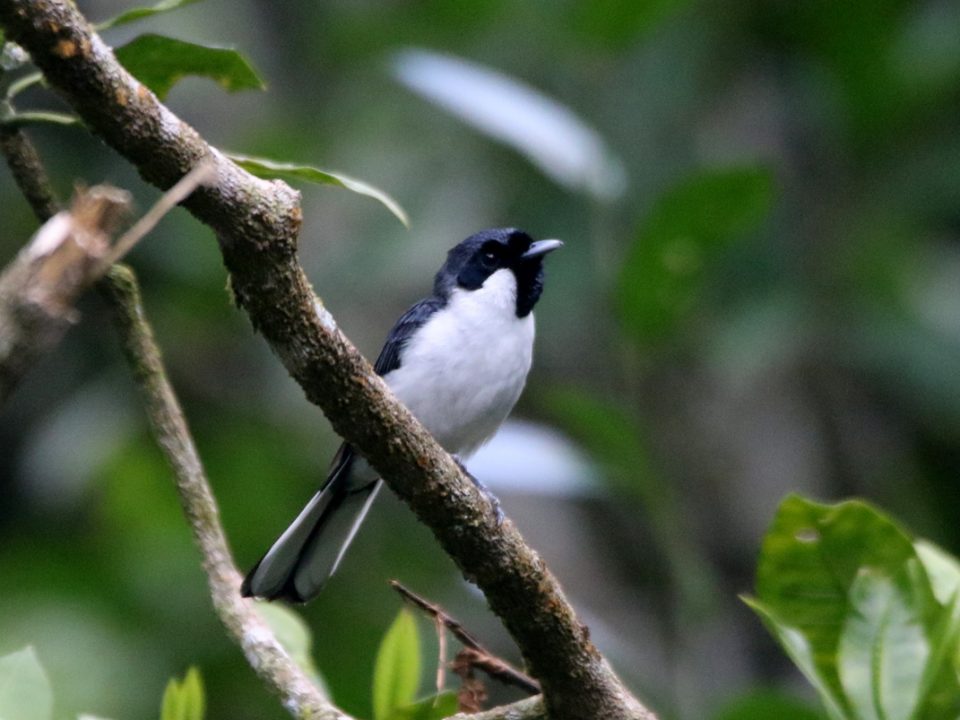
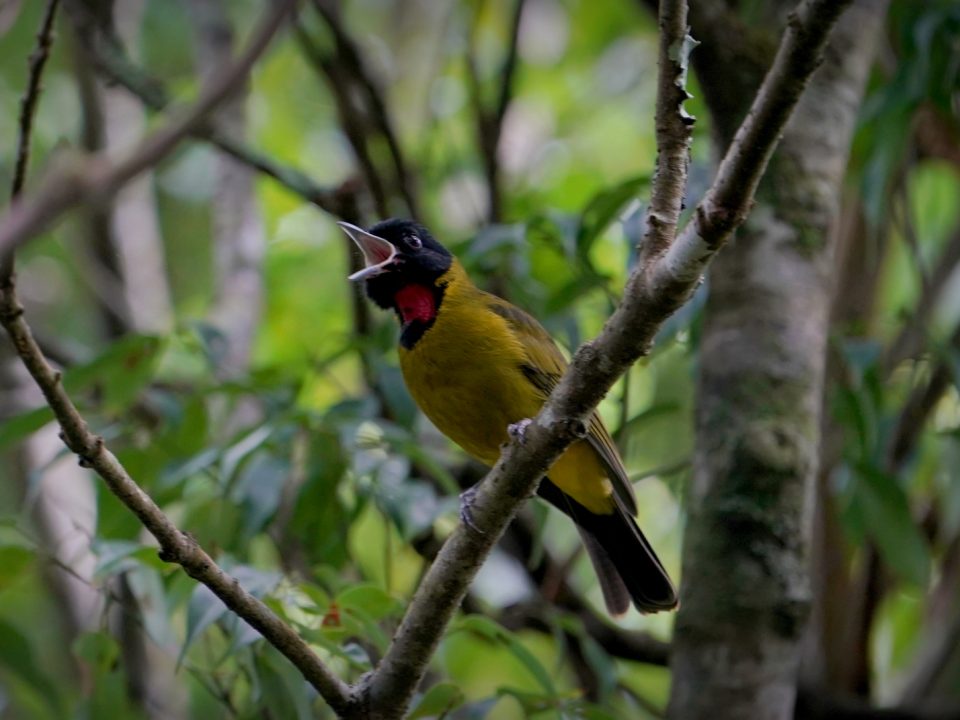
- Bare-throated Whistler
- Flores Flowerpecker
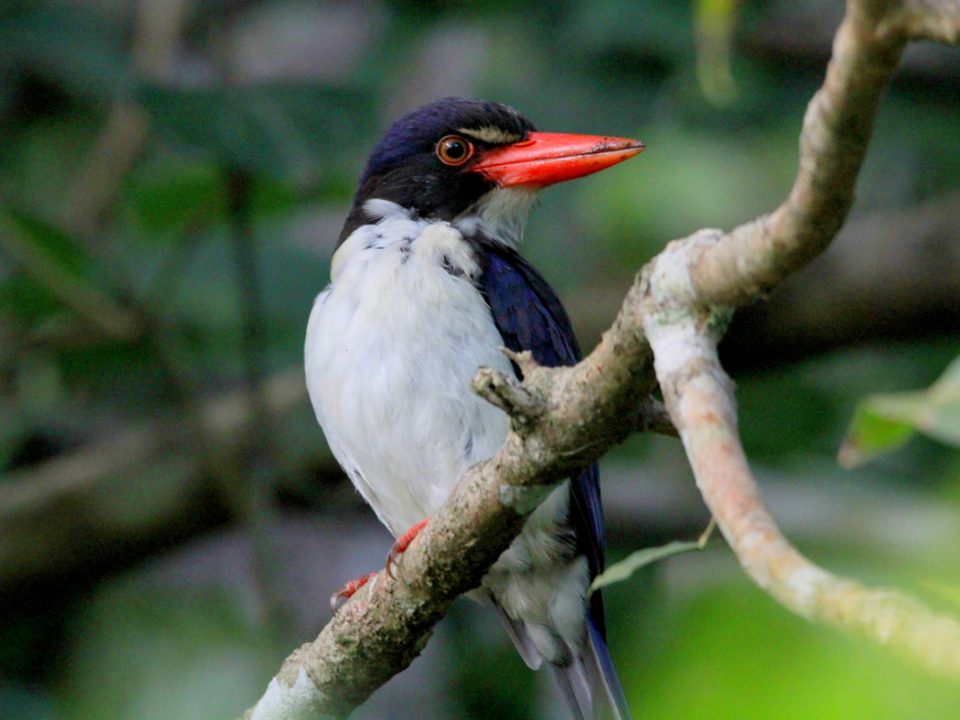
- White-rumped Kingfisher
- Leaf Lorikeet
- Flores Scops-owl
- Flores Monarch
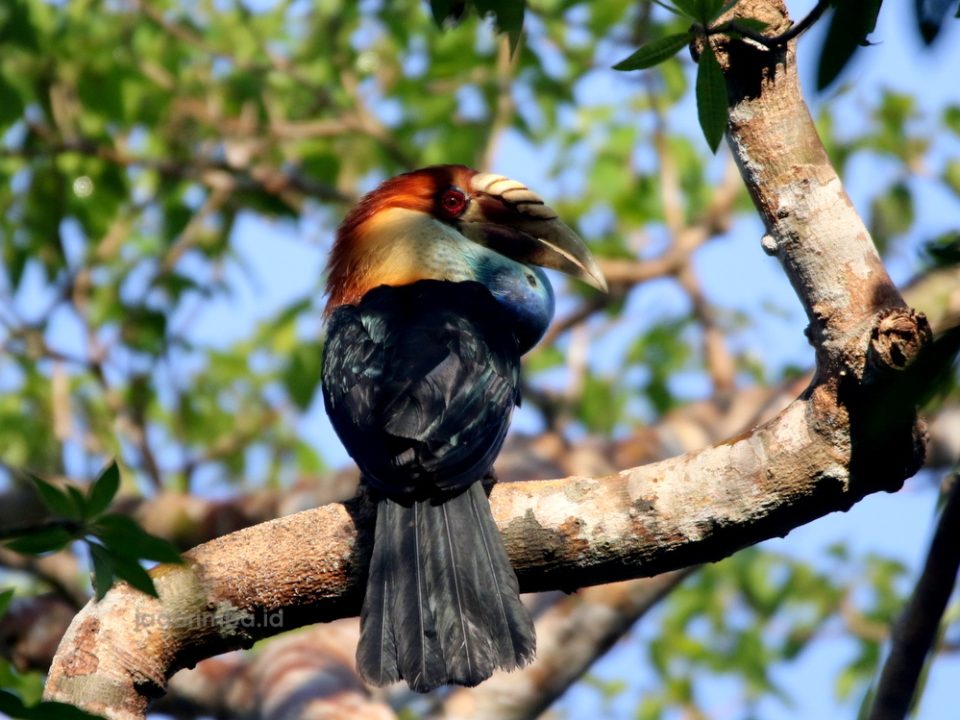
- Tenggara Hill Myna
Many of these birds are restricted to the Lesser Sunda Islands and are difficult to find elsewhere, making Flores an essential destination for serious world birders.
-
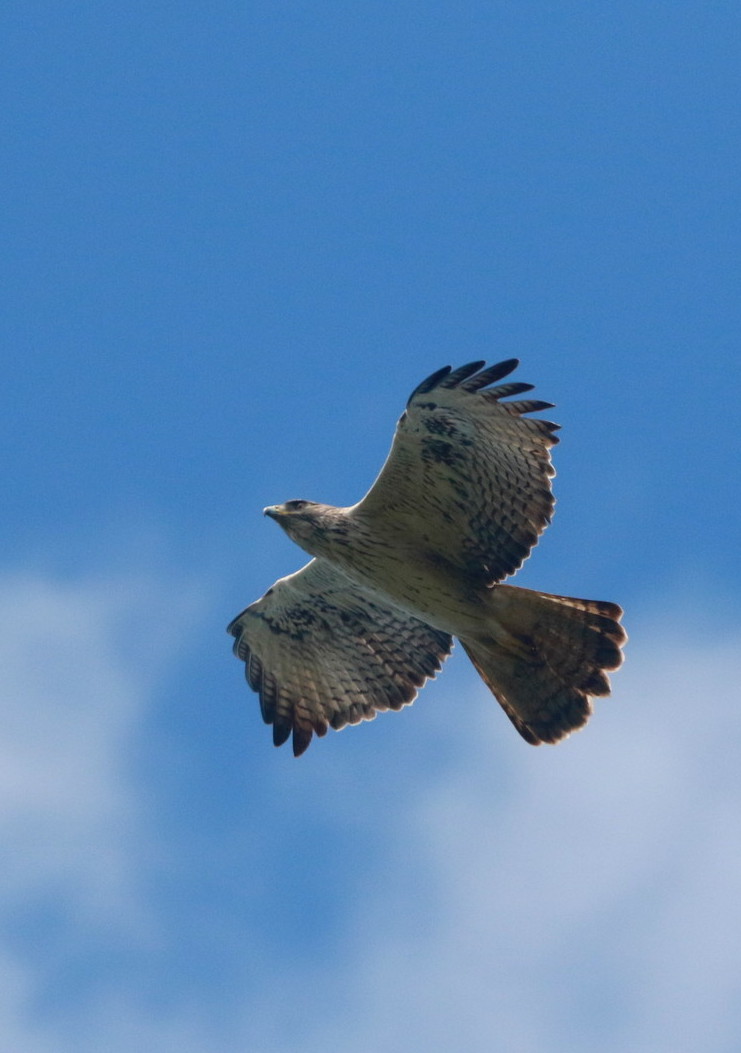
- Flores Hawk-eagle
-
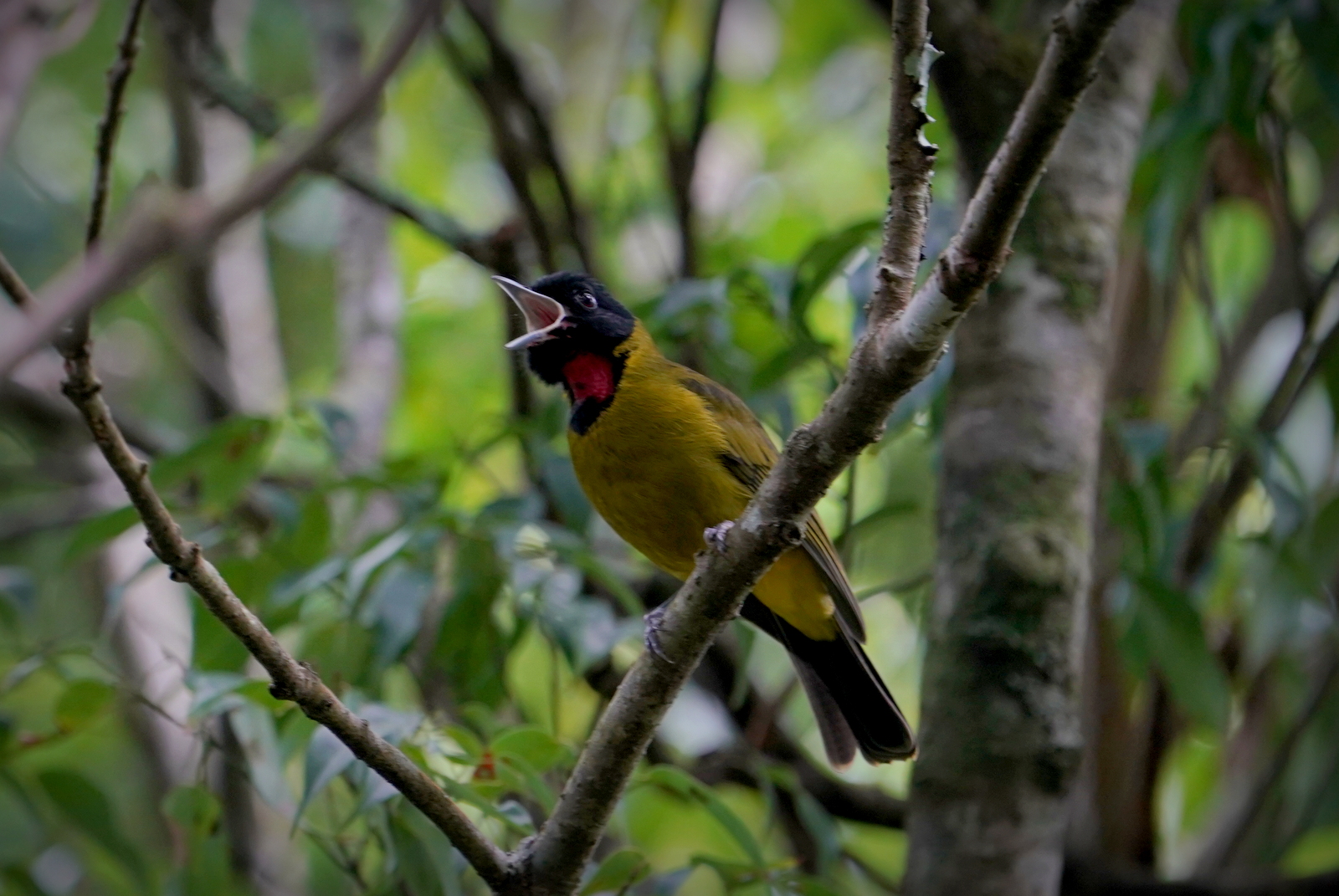
- Bare-throated Whistler
-
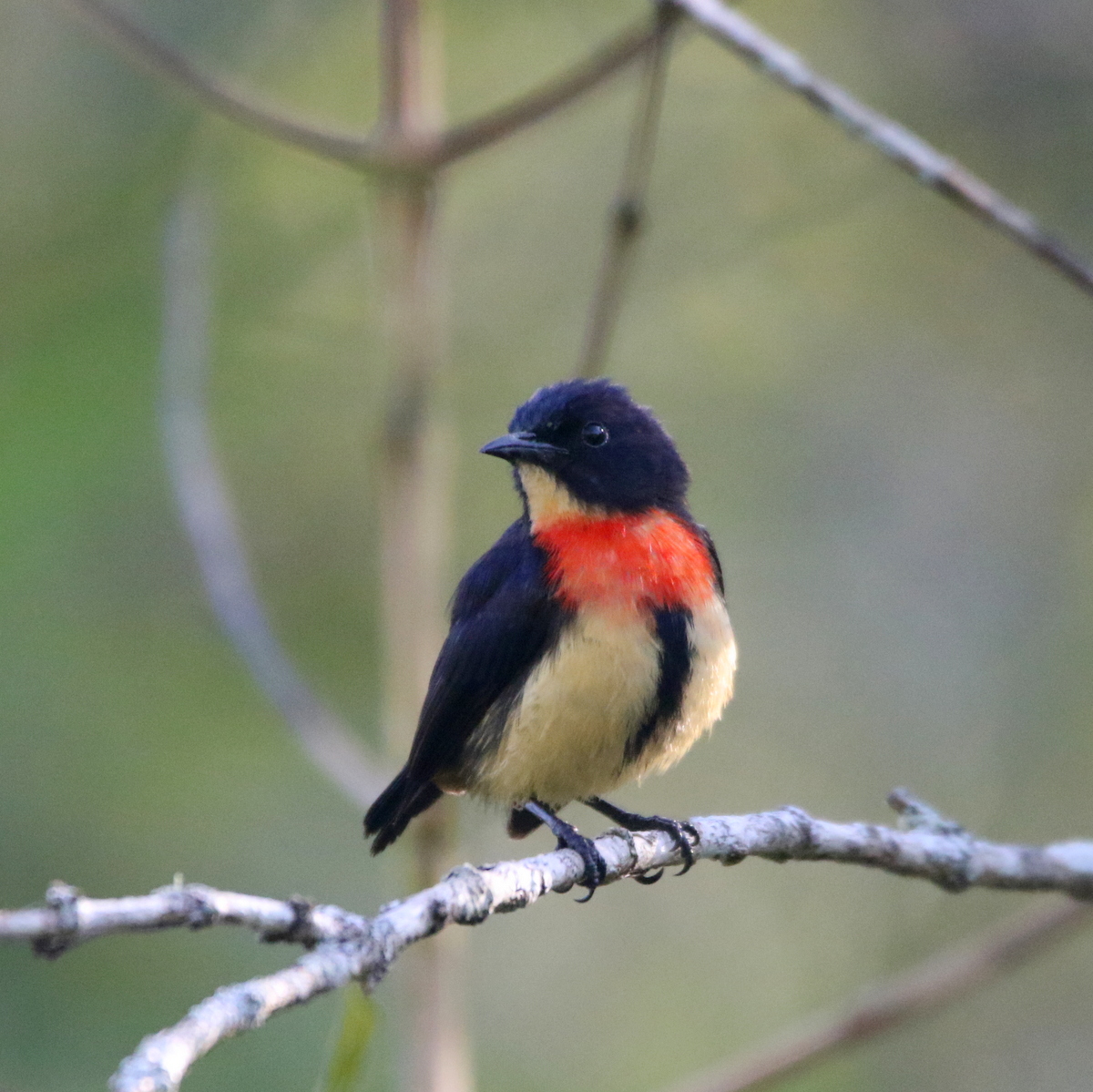
- Flores Flowerpecker
-
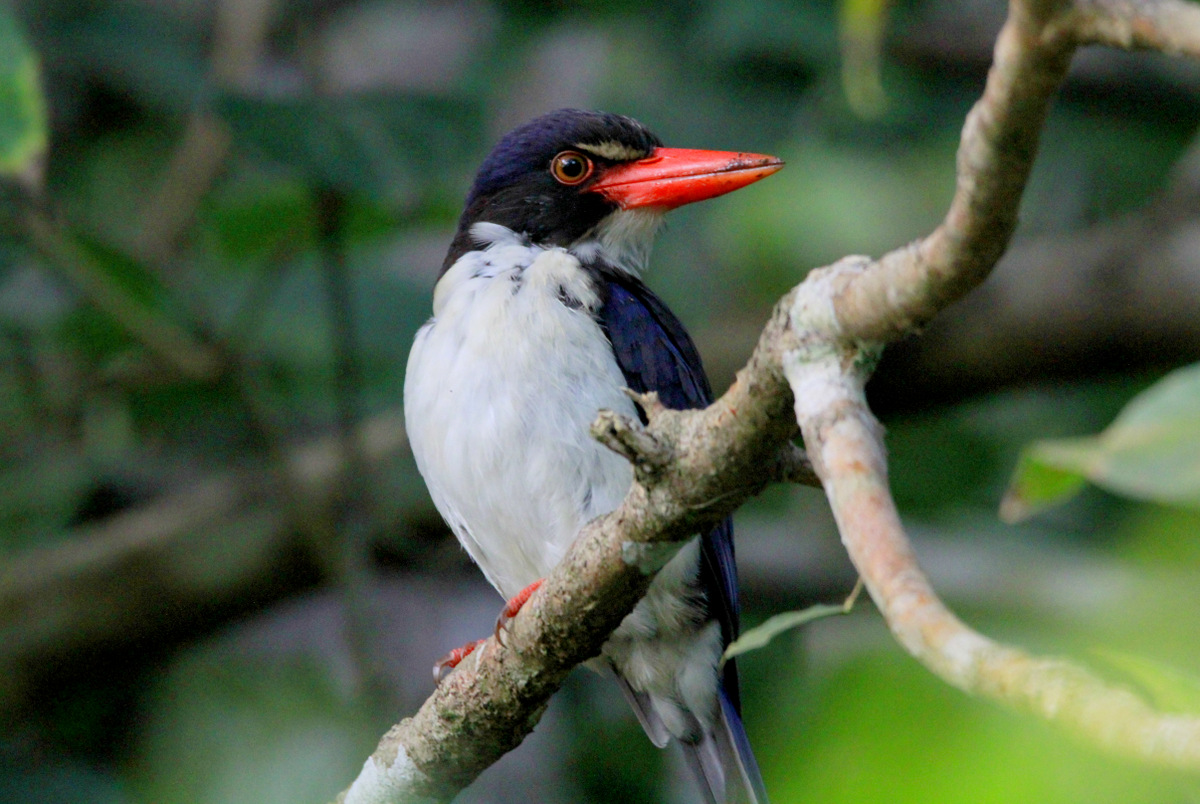
- White-rumped Kingfisher
-
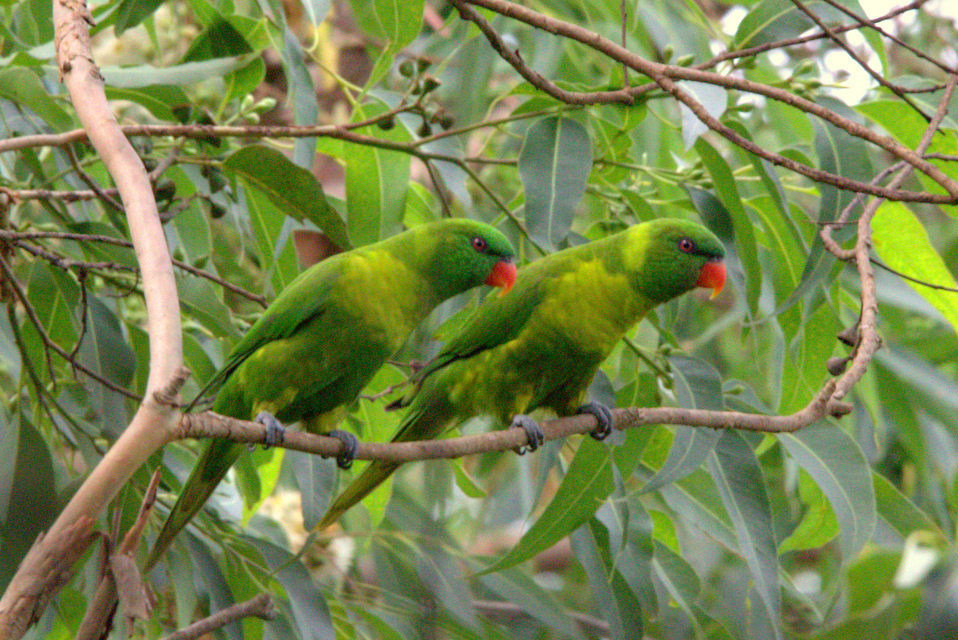
- Leaf / Flores Lorikeet
-
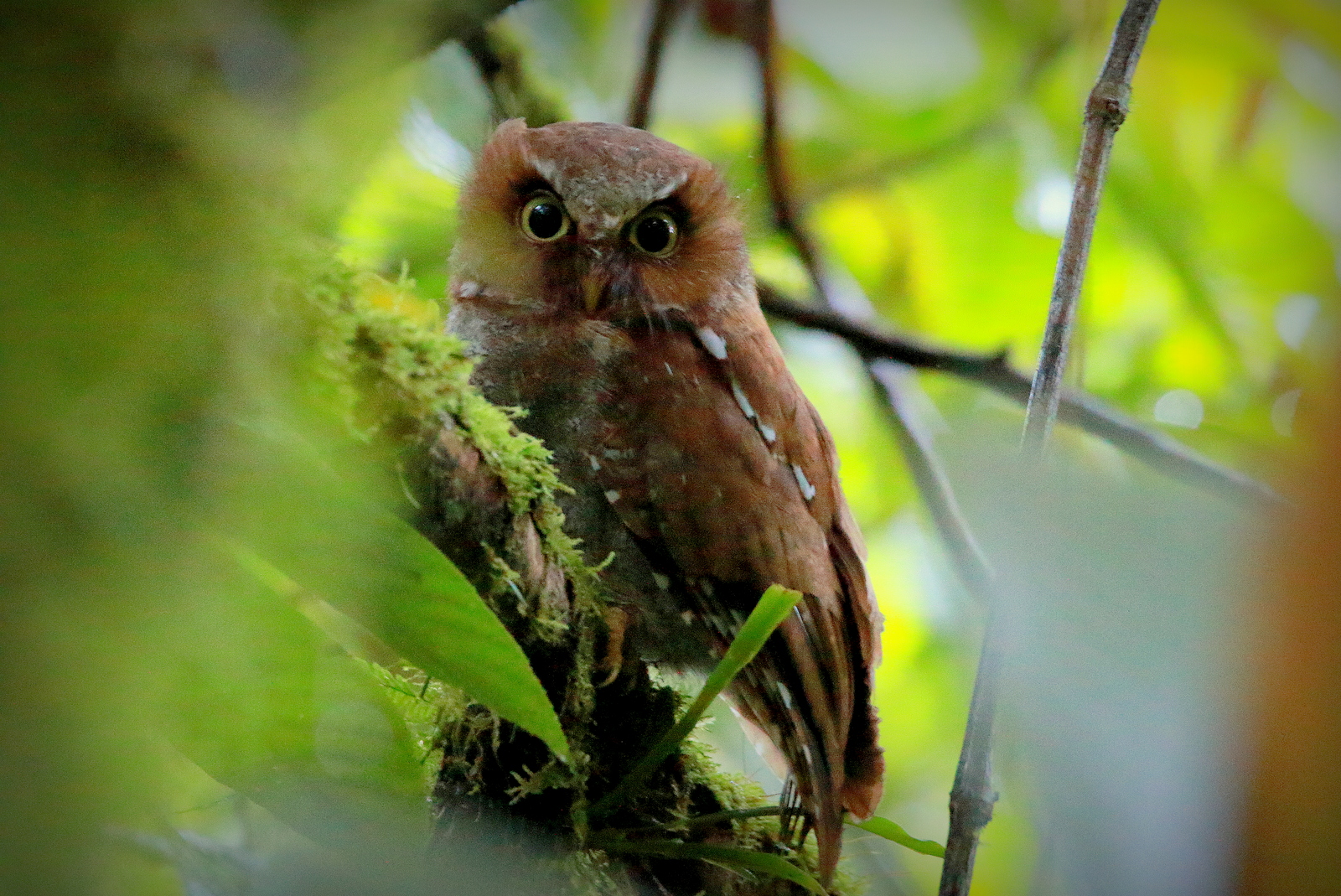
- Flores Scops-Owl
-
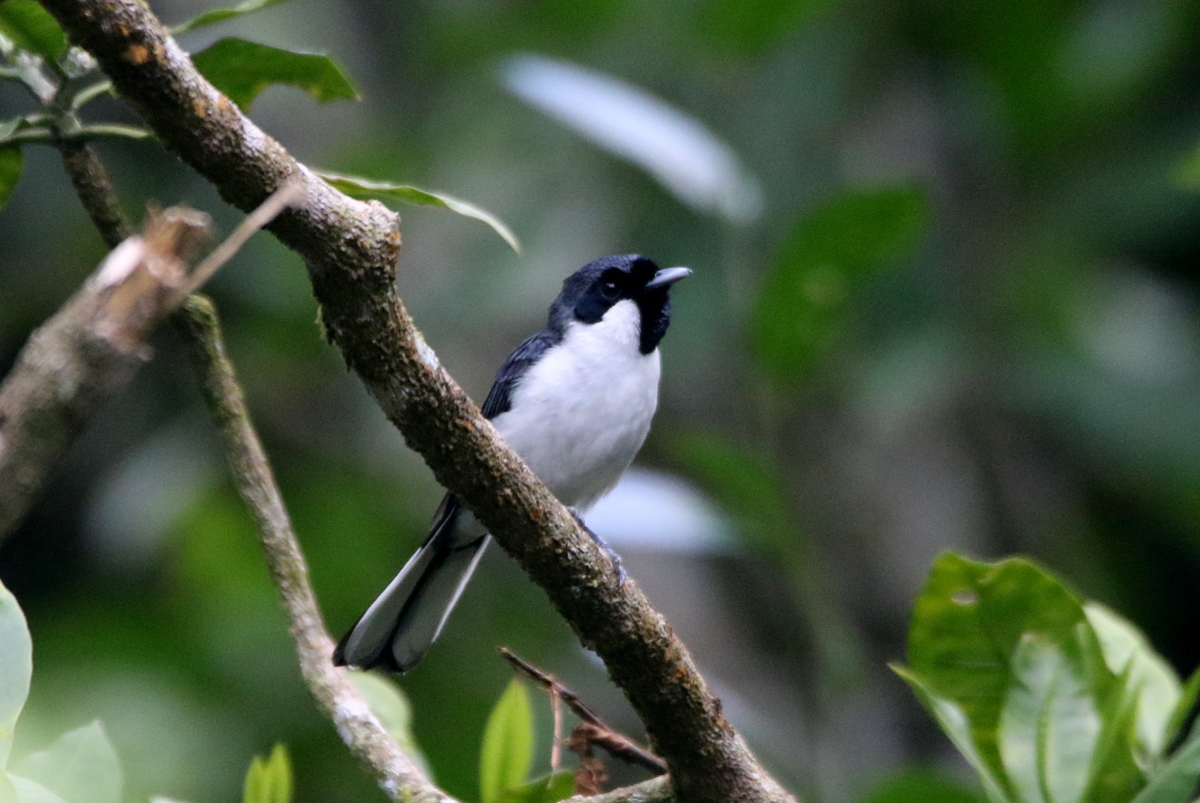
- Flores Monarch
-
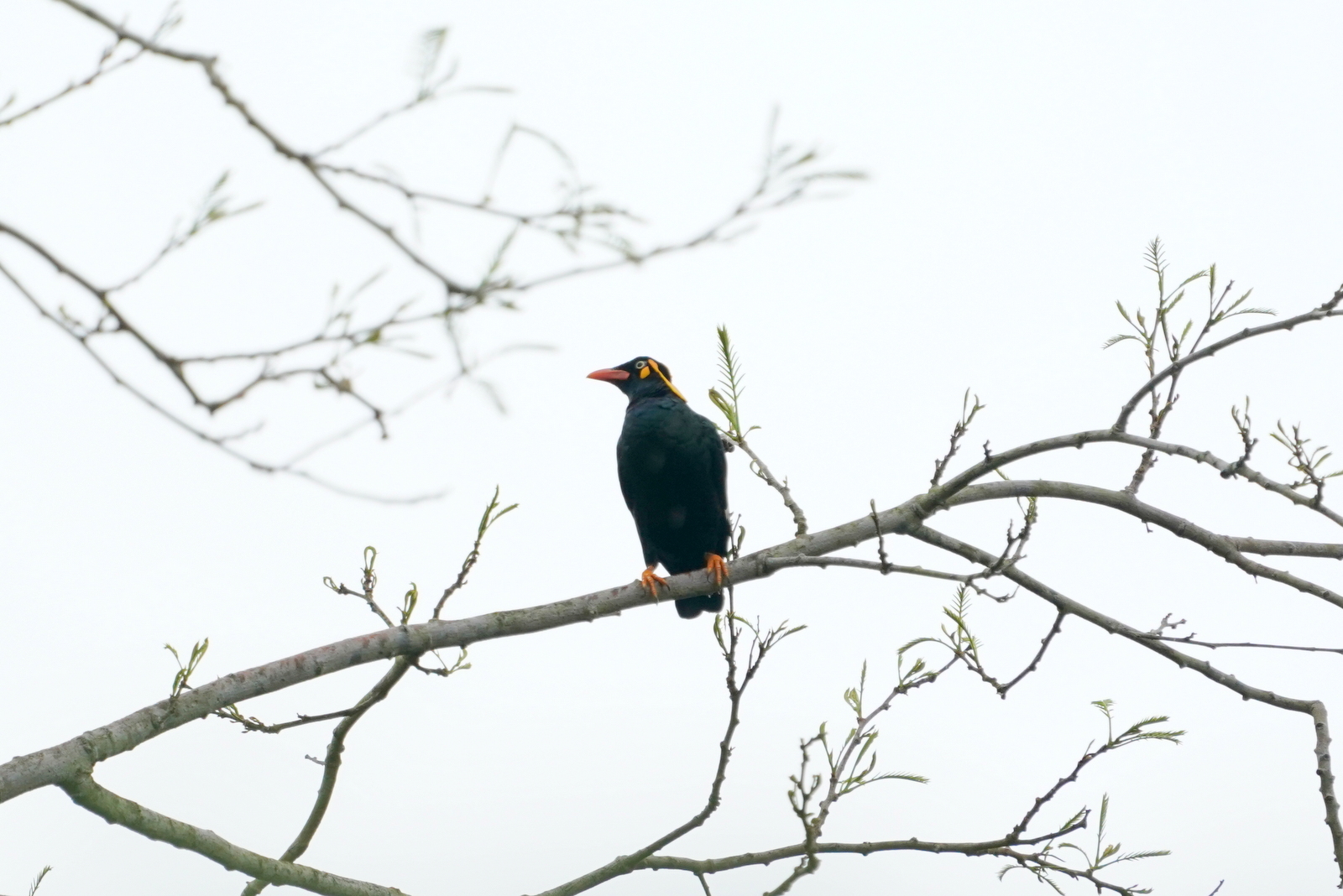
- Tenggara Hill Myna
Diverse Birding Habitats
One of the strengths of Flores as is the incredible variety of habitats accessible within relatively short travel distances.
Mountain Forests
The montane forests around Ruteng, Poco Ranaka, and Mbeliling are among the best birding locations on the island. These cool highland forests are home to many endemic and range-restricted species, including Flores Monarch and Russet-capped Tesia.
Early morning birding in these forests is particularly productive, with bird activity increasing as mist rises from the valleys.
Dry Forest and Savanna
Eastern Flores features dry monsoon forests and open savanna habitats that support species adapted to the arid climate of the Lesser Sundas. These areas offer excellent opportunities for observing parrots, doves, owls, and raptors.
Wetlands and Coastal Areas
Coastal wetlands and mangrove areas around Flores attract migratory shorebirds and waterbirds, especially during the migration season. Herons, kingfishers, egrets, and terns can often be observed near rivers and coastal lagoons.
More Than Just Birdwatching
Birdwatching in Flores is also a journey through one of Indonesia’s most scenic and culturally rich islands. Visitors can combine birding with spectacular volcanic landscapes, traditional villages, pristine beaches, and marine adventures.
Popular attractions include:
- Kelimutu’s famous three-colored crater lakes
- Traditional Manggarai villages
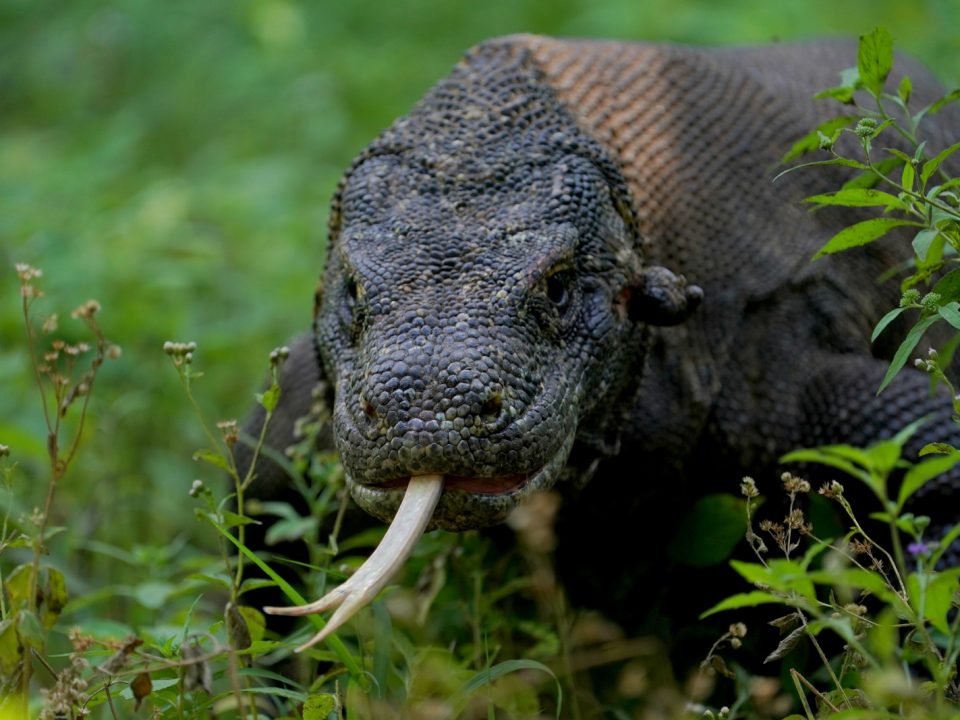
- Komodo National Park excursions
- Scenic mountain roads and coastal panoramas
- Local coffee plantations and cultural experiences
This combination of wildlife, landscapes, and culture makes Flores a uniquely rewarding destination for nature travelers.
Best Time for Birdwatching in Flores
The dry season, generally from April to October, is considered the best time for birdwatching in Flores. During this period, access to remote birding sites is easier and bird activity is often excellent.
However, birding can be rewarding year-round depending on target species and migration periods.
Why Flores Should Be on Every Birder’s List
Flores offers a rare opportunity to experience world-class birdwatching in a destination that remains relatively unexplored compared to other Asian birding hotspots. Its high level of endemism, stunning natural beauty, and warm local hospitality create an unforgettable experience for birders of all levels.
For anyone interested in discovering the unique birds of Wallacea, Flores is not simply another birding destination — it is an essential journey into one of the world’s most fascinating island ecosystems.
Summary
Located in the heart of the Lesser Sunda Islands, Flores is one of Indonesia’s most rewarding and exciting birdwatching destinations. Stretching between the islands of Sumbawa and Timor, Flores offers an extraordinary combination of endemic bird species, dramatic volcanic landscapes, tropical forests, savanna habitats, and rich cultural traditions.
For birdwatchers seeking rare island endemics and authentic wilderness experiences, Flores remains one of the hidden gems of Southeast Asia.
Flores lies within the famous Wallacea biogeographic region, a transition zone between the wildlife of Asia and Australia. Because of its isolation and varied habitats, the island has evolved a remarkable number of endemic bird species found nowhere else on Earth.
Birding in Flores provides the opportunity to observe species that are highly sought-after by international birders and photographers. The island’s mountains, monsoon forests, dry lowlands, wetlands, and coastal ecosystems create habitats for an impressive diversity of birds.
Target Birds of Flores
Some of the most iconic birds found in Flores include:
- Flores Monarch
- Flores Green Pigeon
- Flores Minivet
- Flores Crow
- Wallace’s Hanging Parrot
- Bare-throated Whistler
- Russet-capped Tesia
- Flame-breasted Sunbird
- Chestnut-backed Thrush
- Yellow-crested Cockatoo
Many of these birds are restricted to the Lesser Sunda Islands and are difficult to find elsewhere, making Flores an essential destination for serious world birders.
Diverse Birding Habitats
One of the strengths of Flores as is the incredible variety of habitats accessible within relatively short travel distances.
Mountain Forests
The montane forests around Ruteng, Poco Ranaka, and Mbeliling are among the best birding locations on the island. These cool highland forests are home to many endemic and range-restricted species, including Flores Monarch and Russet-capped Tesia.
Early morning birding in these forests is particularly productive, with bird activity increasing as mist rises from the valleys.
Dry Forest and Savanna
Eastern Flores features dry monsoon forests and open savanna habitats that support species adapted to the arid climate of the Lesser Sundas. These areas offer excellent opportunities for observing parrots, doves, owls, and raptors.
Wetlands and Coastal Areas
Coastal wetlands and mangrove areas around Flores attract migratory shorebirds and waterbirds, especially during the migration season. Herons, kingfishers, egrets, and terns can often be observed near rivers and coastal lagoons.
More Than Just Birdwatching
Birdwatching in Flores is also a journey through one of Indonesia’s most scenic and culturally rich islands. Visitors can combine birding with spectacular volcanic landscapes, traditional villages, pristine beaches, and marine adventures.
Popular attractions include:
- Kelimutu’s famous three-colored crater lakes
- Traditional Manggarai villages
- Komodo National Park excursions
- Scenic mountain roads and coastal panoramas
- Local coffee plantations and cultural experiences
This combination of wildlife, landscapes, and culture makes Flores a uniquely rewarding destination for nature travelers.
Best Time for Birdwatching in Flores
The dry season, generally from April to October, is considered the best time for birdwatching in Flores. During this period, access to remote birding sites is easier and bird activity is often excellent.
However, birding can be rewarding year-round depending on target species and migration periods.
Why Flores Should Be on Every Birder’s List
Flores offers a rare opportunity to experience world-class birdwatching in a destination that remains relatively unexplored compared to other Asian birding hotspots. Its high level of endemism, stunning natural beauty, and warm local hospitality create an unforgettable experience for birders of all levels.
For anyone interested in discovering the unique birds of Wallacea, Flores is not simply another birding destination — it is an essential journey into one of the world’s most fascinating island ecosystems.